Decorative Acorn: A Designer’s Review for Gifts
As an embroidery designer who manages a queue of custom orders for personalized gifts, I am constantly evaluating new designs to ensure they meet the high standards my customers expect. When planning inventory for the upcoming season, particularly for items categorized under Forest Trees, the Decorative Acorn machine embroidery design immediately caught my attention. Before adding any digital embroidery file to my commercial library, I run it through a rigorous testing phase. This review shares my practical experience testing this specific design for real-world applications, from baby embroidery to wedding keepsakes, ensuring it delivers the quality and charm necessary for a successful handmade product.
First Impressions and Emotional Resonance
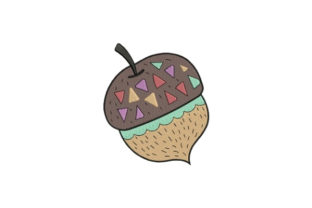
Upon loading the Decorative Acorn design into my software, the first thing that struck me was its versatile mood. It strikes a delicate balance between playful and elegant, which is essential for a broad customer base. For an Etsy seller or small shop product creator, this duality is gold. The design does not feel overly juvenile, making it appropriate for adult home decor, yet it retains enough sweetness to work beautifully for nursery items. The artistic rendering suggests a classic, organic aesthetic that aligns perfectly with current trends in cottage-core and nature-inspired embroidery.
The emotional appeal of this embroidery file lies in its symbolism. Acorns represent potential, growth, and strength, making them inherently meaningful for personalized gift products. When I look at this design, I see a strong candidate for a "new beginnings" theme. Whether intended for a fall seasonal collection or a timeless woodland motif, the visual weight feels balanced. It avoids looking like a generic clip-art image and instead presents as a thoughtful piece of art, which significantly boosts the perceived value of the finished product.
Real-World Application: From Nursery to Wedding
In my test scenario, I envisioned a customer requesting a meaningful embroidered gift for a new grandchild. The Decorative Acorn design performed exceptionally well as a centerpiece for baby embroidery on a receiving blanket. Its size and proportion allowed for ample negative space, which is crucial when adding custom names or birth dates. The stitch flow complemented the soft texture of minky fabric without overwhelming it, creating a cozy, heirloom-quality feel.
Beyond baby items, I tested this design for a rustic wedding gift commission. Embroidered onto a linen pillow cover, the acorn took on a more sophisticated tone. By adjusting thread colors to muted sages and warm taupes, the design transformed from a cute nursery element to an elegant botanical accent. This adaptability is vital for commercial embroidery businesses; one design serving multiple demographics increases ROI. I also see immense potential for embroidered towel sets and custom aprons for clients who love baking or gardening. The design’s structure holds up well on these functional items, maintaining clarity even after washing.
Navigating Fabric Textures and Technical Challenges
While the Decorative Acorn is versatile, my testing revealed specific areas where caution is required. As with any forest-themed embroidery, detail can be lost if the substrate is incorrect. I strongly advise against using this design on high-pile terry cloth towels without significant modification or a topping. During my test on a thick bath towel, some of the finer stem details sank into the loops, reducing legibility. For textured fabrics, always use a water-soluble stabilizer on top to keep stitches crisp.
Stretchy baby clothes present another challenge. Knit fabrics require a cut-away stabilizer to prevent distortion. In my stress test on a cotton interlock onesie, the design remained stable only when properly hooped with adequate support. Without it, the acorn shape warped slightly during wear. Additionally, be mindful of dark fabrics. If the design relies on light-colored fill stitches, contrast issues may arise. Always compare light and dark fabric mockups before stitching. If selling printable mockups online, ensure your digital previews accurately represent how the thread colors interact with different garment shades to manage customer expectations and reduce returns.
Elevating Perceived Value and Customer Trust
For handmade sellers, the choice of design directly impacts buyer engagement and trust. The Decorative Acorn contributes to a professional aesthetic because of its clean digitizing. Poorly digitized files result in puckering, thread breaks, and misalignment, which instantly devalues a custom embroidery piece. This design’s stitch density appears optimized for standard materials, reducing production time and material waste. Efficient stitch paths mean less time at the machine and faster turnaround times for custom orders.
Furthermore, the "giftability" factor is high. Customers are often looking for something that feels unique rather than mass-produced. Because this acorn design has distinct character, it photographs beautifully for social media and listing images. High-quality product photography showcasing the texture and dimension of the stitches helps bridge the gap between digital browsing and physical purchase. When a client sees a well-executed Decorative Acorn on a tote bag or blanket, they associate that level of care with your entire brand.
Essential Pre-Production Checklist for Sellers
Before listing a finished product featuring this design or accepting a custom order, every professional should complete a verification process. Never assume a digital embroidery file is ready-to-stitch straight out of the download. Here is the protocol I recommend based on my review:
- Verify Hoop Size Compatibility: Confirm the dimensions fit your available hoops and the intended placement area on the garment or home good.
- Check Commercial Licensing: Ensure you have the right to sell finished products made with this design. Licensing terms vary, and protecting your business legally is paramount.
- Test Stitch Density: Run a sample on scrap fabric identical to your final product. Check for gaps in satin stitches or overly dense areas that could cause needle deflection.
- Validate Thread Colors: Compare the charted colors against your physical thread inventory. Substitutions are fine, but document them for consistency in future reorders.
- Assess Stabilizer Pairing: Match the stabilizer type (tear-away, cut-away, wash-away) to the specific fabric weight and stretch factor.
- Review Small Details: After stitching, inspect tiny elements like leaf veins or cap textures. If they are unclear, consider resizing or editing the file before production.
Final Thoughts for the Embroidery Entrepreneur
The Decorative Acorn stands out as a reliable, charming asset for any embroidery business focusing on personalized gifts. Its success lies in its ability to traverse categories—from sweet baby embroidery to refined wedding gift items—while maintaining structural integrity. However, the difference between a mediocre result and a stunning handmade product lies in the maker's preparation. By respecting fabric limitations, verifying technical specifications, and leveraging the design's natural warmth, you can create items that resonate deeply with buyers.
Whether you are updating your Etsy shop for autumn or expanding your year-round nursery collection, this design offers a solid foundation for creativity. Remember that your expertise in stabilizer selection, color theory, and finishing techniques is what truly brings the Decorative Acorn to life. Test thoroughly, stitch with intention, and let the quality of your work speak to the hearts of those receiving these special, customized treasures.