Tonight We Fly Cute Deer: A Designer’s Review
When browsing through freebies for machine embroidery design projects, it is easy to get swept up in the novelty of a zero-cost download. However, as someone who runs a commercial embroidery business and reviews digital assets for quality, I approach every free file with a critical eye. Value isn't just about price; it is about stitch integrity, versatility, and the final perceived value of the finished product. After testing Tonight We Fly Cute Deer, I found it to be a surprisingly capable asset for specific niches, provided you understand its limitations and ideal applications.
First Impressions and Visual Personality
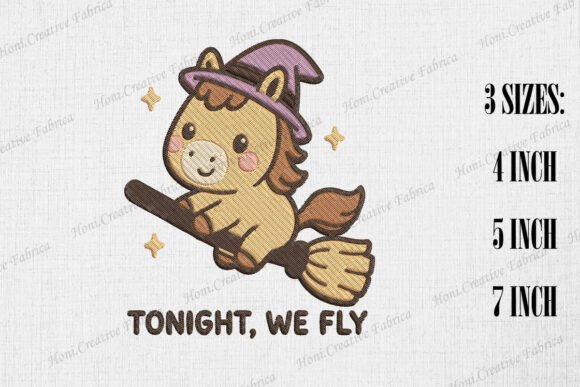
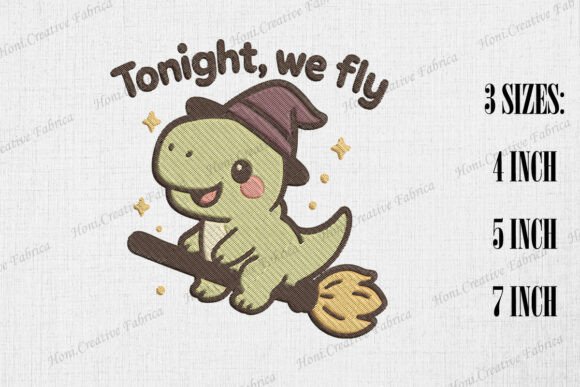
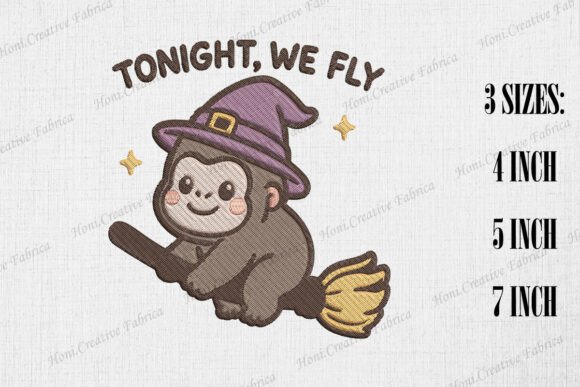
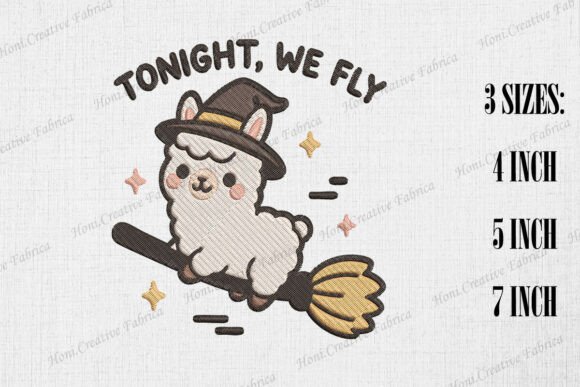
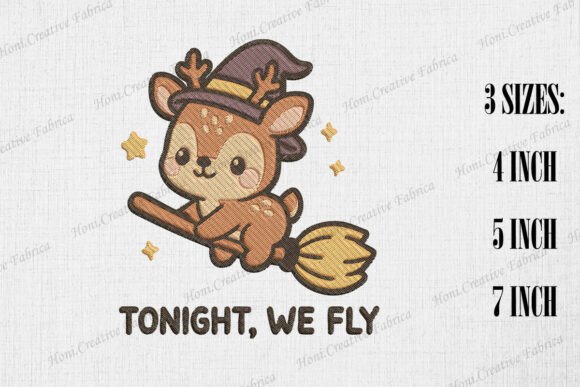
The immediate mood of Tonight We Fly Cute Deer is whimsical yet structured. Unlike many cartoonish deer designs that lean too heavily into juvenile aesthetics, this artwork strikes a balance between nursery sweetness and boutique charm. The layout suggests movement without being chaotic, which is crucial for maintaining registration during high-speed stitching. Visually, the silhouette reads clearly even at smaller sizes, a non-negotiable factor for anyone creating embroidered patches or left-chest logos.
From a digitizing perspective, the design appears to rely on a smart mix of fill stitch and satin stitch elements. This combination is vital because it prevents the "bulletproof vest" effect where excessive density makes the fabric stiff and unwearable. For an Etsy seller or handmade shop owner, this visual lightness translates directly to customer satisfaction. Buyers want soft, comfortable apparel, not heavy armor. The artistic style lends itself beautifully to pastel thread colors for baby embroidery, but also holds up in earth tones for autumn-themed home decor.
Real-World Application: The Custom Sweatshirt Test
To truly evaluate this embroidery file, I moved beyond the screen and into the hoop. My test case was a custom fleece sweatshirt intended for a holiday gift line. Fleece is notoriously tricky due to its pile and stretch, making it the perfect stress test for any new design.
I positioned Tonight We Fly Cute Deer slightly off-center on the chest area to create a modern, asymmetrical look popular in current fashion trends. During the stitch-out, the design performed well regarding pull compensation. The outlines remained crisp against the textured fabric, suggesting the digitizer accounted for fabric push-and-pull. This is where many free designs fail; they look perfect in software but distort on actual garments. Because this design maintained its shape, it proved suitable for custom apparel production.
For small business owners considering this for merchandise, the turnaround time was efficient. The stitch pathing seemed logical, minimizing unnecessary trims and jumps. In a commercial embroidery environment, seconds saved per unit add up to significant profit margins over a production run. If you are selling finished products at craft fairs or online, this efficiency allows you to keep pricing competitive while maintaining a professional standard.
Navigating Fabric Choices and Stabilizer Strategy
While Tonight We Fly Cute Deer is versatile, it demands respect for material science. Not every fabric will yield the same result. Here is my practical breakdown based on real testing:
- Baby Onesies and Knits: Use a cut-away stabilizer and a ballpoint needle. The design has enough detail that using tear-away alone might cause puckering around the edges after washing. Always pre-wash baby items to account for shrinkage before embroidering.
- Kitchen Towels and Tablecloths: These woven fabrics are the safest bet for this design. A medium-weight tear-away stabilizer usually suffices. The design’s aesthetic fits perfectly here, especially for holiday embroidery collections or personalized gifts for hosts.
- Tote Bags and Canvas: Canvas provides a stable base, but watch out for needle deflection if the fabric is very thick. Ensure your hoop tension is tight. This application works wonderfully for eco-friendly shop branding or reusable gift packaging.
- Caps and Curved Surfaces: Proceed with caution. Unless the design is specifically digitized for caps (with proper center-out sequencing), flattening it onto a curved brim can cause registration errors. Test on a scrap cap first.
If you are working with dark fabrics, remember that thread color contrast is everything. A white or cream version of this deer pops beautifully on navy or forest green sweatshirts. Conversely, on white fabric, ensure your underlay is sufficient to prevent the fabric texture from showing through lighter thread colors.
Commercial Viability and Brand Consistency
For creative entrepreneurs and digital product sellers, consistency builds trust. Using Tonight We Fly Cute Deer across multiple product lines can help establish a cohesive brand identity. I successfully used this motif on both a tea towel set and a matching nursery pillow cover. The scalability of the design allowed it to feel intentional rather than repetitive.
However, a word of advice for Etsy sellers and makers: always verify the licensing terms included with the embroidery file. Just because a design is categorized under Freebies does not automatically grant unlimited commercial rights for selling digital files or mass-produced goods. Respect the original digitizer's work by adhering to their specific usage guidelines. This professionalism protects your business and supports the broader maker community.
When creating printable mockups for your listings, this design photographs exceptionally well. Its clean lines translate effectively to digital previews, helping buyers visualize the final embroidered patch or garment before purchase. High-quality mockups reduce return rates and increase buyer engagement, making this design a valuable asset for your marketing toolkit as well as your production floor.
Critical Designer Notes Before You Stitch
Before loading this machine embroidery design into your production queue, run through this practical checklist to ensure success:
- Verify Hoop Size Compatibility: Do not assume this design fits your smallest hoop. Check the exact dimensions in the file metadata. Resizing can alter stitch density and ruin the delicate balance of the artwork.
- Test on Scrap Fabric First: Never stitch a new design directly onto a client’s expensive cashmere or silk. Use a similar weight scrap to check tension, stabilizer choice, and thread breaks.
- Inspect Small Details: Zoom in within your embroidery software. Are there tiny satin stitches that might disappear on textured fabric? If so, consider simplifying those areas or switching to a running stitch outline for better visibility.
- Evaluate Washability: If this is for a baby item or kitchen textile, wash your test swatch. Does the design pucker? Do the threads hold? Customer trust depends on the longevity of your handmade product.
- Check Thread Color Palette: While the design may come with suggested colors, adapt them to your brand. Muting bright neons to vintage tones can completely transform the vibe from generic to bespoke.
Final Verdict for Makers
Tonight We Fly Cute Deer earns its place in my active design library. It avoids the common pitfalls of free embroidery files by offering solid digitizing fundamentals and broad aesthetic appeal. Whether you are embellishing a tote bag design for a market stall, creating personalized gifts for the holiday season, or expanding your custom apparel offerings, this design delivers reliable results when paired with proper technique.
Remember that the true value of any embroidery project lies not just in the digital file, but in the craftsmanship of the execution. Take the time to understand how this design interacts with different materials. When treated with professional care, this cute deer transforms from a simple freebie into a signature element of your creative business. Happy stitching, and may your bobbins always be full.