Cutwork Border: A Designer Review for Business Merch
As an embroidery designer who specializes in commercial branding and merchandise production, I approach every new machine embroidery design with a critical eye toward functionality. When evaluating the Cutwork Border for small business applications, my first impression is one of refined elegance mixed with traditional craftsmanship. The description promises a blend of tradition and style, specifically noting its pristine nature and suitability for women’s wear and home style items. From a business perspective, this suggests a design that leans heavily into boutique aesthetics, artisanal quality, and premium presentation rather than rugged industrial utility.
For small business owners, Etsy sellers, and apparel decorators, understanding the personality of this embroidery file is crucial before committing it to production. It does not read as a generic corporate logo; instead, it communicates warmth, heritage, and attention to detail. This makes it an exceptional candidate for businesses where the customer experience is tied to comfort, beauty, or handmade authenticity. However, because cutwork involves open spaces and intricate detailing, it requires specific technical considerations when adapted for branded patches, uniforms, or promotional goods.
Evaluating Visual Personality for Brand Identity
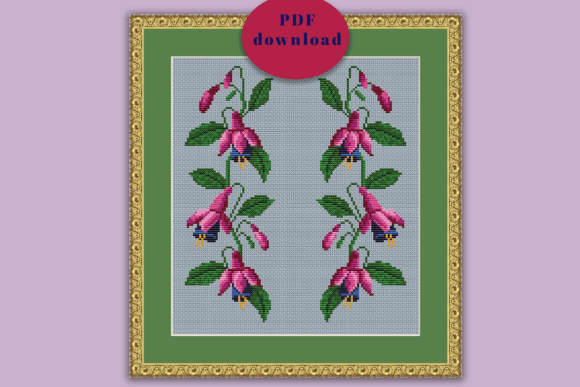
The visual weight of the Cutwork Border immediately signals a specific type of brand identity. In my review, the pattern feels organic and sophisticated. For a local florist, a bridal boutique, a high-end bakery, or a creative studio, this design aligns perfectly with the softness and intricacy associated with those trades. It breathes life into merchandise by avoiding the stiff, blocky look of standard corporate digitizing. Instead, it offers a decorative frame that can elevate a simple product into a keepsake.
However, brand consistency is key. If your business relies on bold, masculine, or minimalist modern branding, this exquisite pattern might clash with your existing design assets. It is inherently feminine and classic. That said, for businesses targeting a demographic that appreciates heritage crafts or vintage aesthetics, this border serves as a powerful visual anchor. It tells the customer that the business values tradition and meticulous detail, which directly enhances perceived value and trust in a handmade product.
Real-World Applications for Small Business Merch
When adapting the Cutwork Border for small business merch, versatility is everything. Based on the design's characteristics, here is how I would deploy it across various commercial products:
- Boutique Packaging and Labels: Use the border as a framing element on fabric tags or packaging ribbons. The cutwork detail adds texture that customers can feel, reinforcing the premium unboxing experience.
- Apron Embroidery: For cafes, florists, or craft studios, placing this border along the hem or pocket edge of an apron transforms functional workwear into a cohesive uniform. It softens the utilitarian nature of the garment while maintaining professionalism.
- Tote Bag Design: Canvas totes are a staple for markets and retail. This border works beautifully near the top opening or as a bottom accent, providing a finished look that encourages reuse and acts as walking advertising.
- Custom Apparel Accents: Rather than a center chest logo, consider using this as a sleeve cuff detail or a yoke accent on blouses and tunics. This subtle placement is ideal for staff uniforms in spa or wellness environments where aggressive branding feels out of place.
- Event Merchandise: For weddings, retreats, or workshops, this border can frame event dates or names on linens and favors, creating a unified theme that feels intentional and expensive.
Technical Considerations for Commercial Embroidery
While the aesthetic appeal is high, the technical execution of cutwork in a commercial embroidery setting demands caution. Cutwork is structurally different from standard fill or satin stitch designs. As a designer, I must highlight where this digital embroidery file requires careful handling to avoid production failures or unsatisfactory results.
Fabric Texture and Stability: Cutwork relies on the integrity of the base fabric. On loose-weave fabrics or stretchy knits often used in custom apparel, the open areas can distort or tear without adequate support. You must verify the stabilizer requirements before running production. A heavy-duty cutaway stabilizer is often non-negotiable to maintain the crisp edges of the cutwork sections. Always test on the exact fabric texture you intend to use for the final product.
Stitch Density and Washability: Items like aprons and tote bags undergo frequent laundering. High stitch density around the cutwork edges is necessary to prevent fraying over time. If the digitizing is too light for heavy-use items, the border may unravel after a few wash cycles. I recommend inspecting the perimeter stitches closely. If they appear sparse, consult your digitizer about reinforcing the edges specifically for commercial wear.
Sizing Limitations: This is perhaps the most critical warning. Intricate borders rarely scale down well. Attempting to shrink this design for a tiny 2-inch patch or a cap front will likely result in thread breaks, lost details, and a muddy appearance. Cap embroidery presents additional challenges due to curvature; flat, intricate cutwork often distorts on the rounded surface of a hat. Reserve this design for flat, stable surfaces with sufficient space to let the pattern breathe. Always confirm the minimum viable size within the embroidery file specifications before purchasing.
Designer Notes for Production Success
To ensure the Cutwork Border performs as intended for your business, follow these professional protocols during your sampling phase:
- Create a Printable Mockup: Before stitching, overlay the design onto photos of your actual merchandise. Does the scale look right? Does the style match your logo? A printable mockup saves hours of hooping time and helps secure client approval early.
- Test Thread Colors Contrast: Cutwork depends on shadow and negative space. Test the design in both high-contrast (e.g., white thread on navy fabric) and low-contrast (e.g., cream on beige) combinations. Low contrast highlights the texture and cutwork technique, while high contrast emphasizes the graphic shape. Choose based on whether you want the texture or the outline to dominate.
- Verify Hoop Size Compatibility: Borders are often long and narrow. Ensure your machine’s maximum hoop size accommodates the full repeat length if you plan to stitch it continuously. Tiling a border requires precise alignment marks; check if the file includes these guides.
- Inspect Spacing and Registration: Run a test stitch-out on scrap material. Measure the distance between repeats. Inconsistent spacing ruins the illusion of a continuous border. Also, check that the satin stitch columns align perfectly with the cut lines. Misregistration here looks unprofessional and compromises durability.
- Confirm Commercial Licensing: Never assume a design is cleared for business use. Review the license terms explicitly. Some files are for personal crafting only. Ensure you have the rights to use the design on items sold for profit or used in paid services.
- Compare Beside Other Assets: Place a stitched sample next to your business cards, website printouts, and other branded gear. The finished product should feel like part of a family, not an outlier. If the Cutwork Border feels too ornate compared to your clean sans-serif logo, consider simplifying the color palette to bridge the gap.
Final Verdict for Business Owners
The Cutwork Border is a specialized tool in the machine embroidery design arsenal. It is not a universal solution for every business, but for those in the lifestyle, floral, culinary, and artisan sectors, it offers a distinct competitive advantage. It elevates apron embroidery, tote bag design, and boutique merchandise beyond basic logo slapping, offering customers a tangible sense of quality and care.
Success with this design lies in respecting its technical boundaries. Avoid forcing it onto caps or tiny patches. Invest time in proper stabilization and testing. When applied correctly to appropriate garments and goods, this pristine floral border does exactly what it promises: it immerses your audience in a blend of tradition and style, turning ordinary merchandise into an extension of your brand’s story. Always verify the specific technical specs of your embroidery file before buying, and treat this design as a premium asset worthy of premium execution.