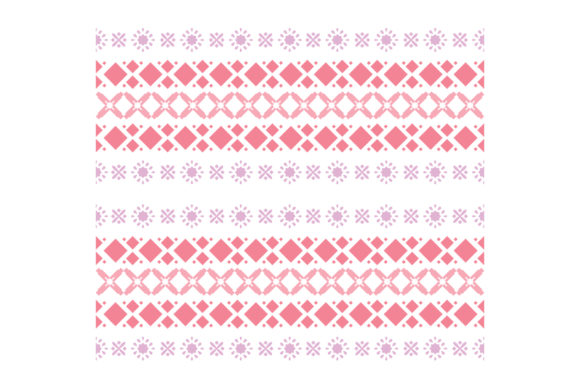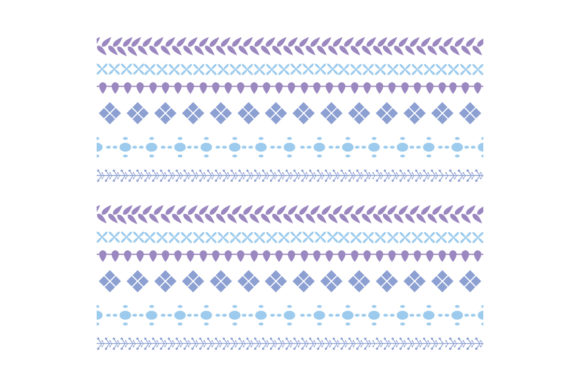
Seamless Wall Paper Embroidery Design Review
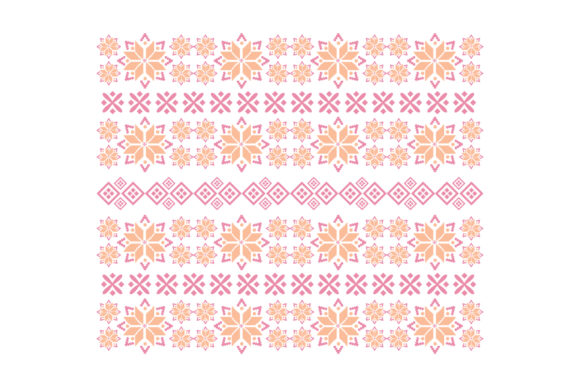
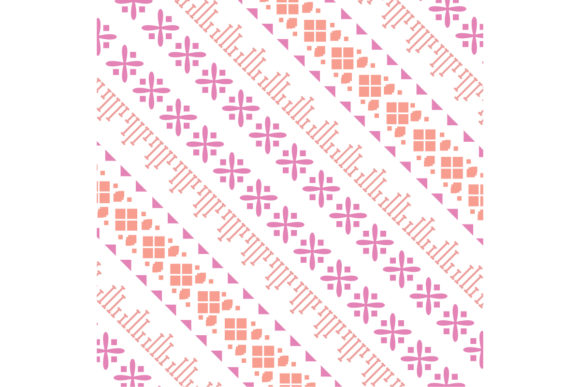
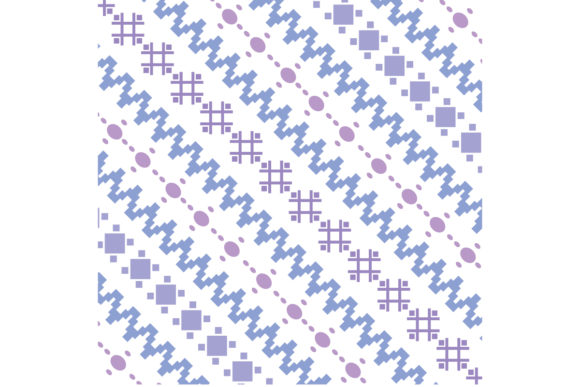
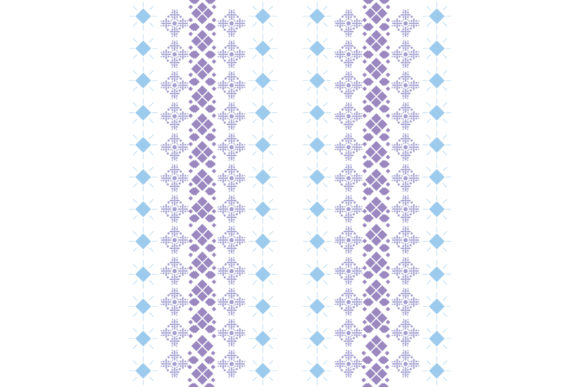
When I first loaded the Seamless Wall Paper Embroidery Design into my digitizing software, I wasn't looking at it as a background filler. I was evaluating it as a potential signature element for a new line of nursery decor and boutique tote bags. As an experienced designer and product reviewer, I approach every machine embroidery design with a critical eye toward stitchability, marketability, and longevity. This particular graphic from the Patterns collection promises a continuous, decorative aesthetic suitable for bedroom decor, but translating a seamless wallpaper concept into thread requires careful technical consideration. My initial impression was that this design possesses a sophisticated visual rhythm that could elevate simple textiles into high-value handmade products, provided the stitch density is managed correctly.
Evaluating Visual Flow and Stitch Architecture
The defining characteristic of this embroidery file is its continuity. Unlike standalone motifs, a seamless pattern relies on precise alignment to create an illusion of infinite texture. In my review, I focused heavily on how the design elements connect at the edges. For a digital embroidery file intended for commercial use or high-end gifts, the transition points must be invisible. If the registration is off by even a millimeter, the "wallpaper" effect breaks, and the finished product looks amateurish. Fortunately, this design appears to account for standard hoop sizes, allowing for modular stitching that maintains visual integrity.
From a stylistic perspective, the design strikes a balance between vintage charm and modern minimalism. It avoids the overly dense fill stitch areas that often plague complex patterns, which is a relief for anyone planning to use this on lighter fabrics. The interplay of running stitch outlines and strategic satin stitch accents creates depth without adding excessive bulk. This architectural choice suggests the digitizer understood that embroidery is a tactile medium, not just a visual one. For Etsy sellers and creative entrepreneurs, this means the design photographs well in printable mockups while retaining enough physical texture to satisfy customers who value quality craftsmanship.
Real-World Application: The Custom Nursery Tote Project
To truly test the viability of the Seamless Wall Paper Embroidery Design, I applied it to a real-world scenario: creating a premium canvas tote bag intended as a personalized gift for a new mother. Canvas is a forgiving fabric texture, but it demands proper stabilizer to prevent puckering during large-area stitching. I chose a medium-weight cutaway stabilizer to support the continuous pattern without distorting the bag’s structure.
The goal was to create a custom apparel accessory that felt cohesive rather than stamped-on. Because the design is seamless, I was able to position the motif so it wrapped slightly around the side seam of the tote, enhancing the three-dimensional form of the bag. During the stitching process, I monitored the thread colors closely. The design allows for tonal variation, meaning you can use a single thread color for a subtle, embossed look or multiple colors for a bold statement. For this project, I opted for a monochromatic cream-on-natural-canvas palette. The result was a textured, high-end finish that immediately increased the perceived value of the item. A client receiving this as a holiday embroidery gift would likely recognize the intentionality behind the placement and execution, distinguishing it from mass-produced alternatives.
Technical Considerations for Makers and Small Businesses
While the aesthetic appeal is strong, practical application requires diligence. If you are a small shop product creator or an apparel decorator, you must verify specific technical details before committing this design to inventory. Always check the exact stitch count and recommended hoop size listed with your specific embroidery file. These metrics dictate production time and material costs. A design that takes four hours to stitch may not be profitable for a low-margin item, whereas it might be perfect for a luxury baby embroidery blanket.
Fabric compatibility is another crucial factor. While this seamless wall paper embroidery design excels on stable woven fabrics like cotton, linen, and canvas, caution is advised when using it on stretchy knits or sheer materials. The continuous nature of the pattern means there is significant thread coverage. On a lightweight t-shirt or stretchy sweatshirt embroidery project, this could lead to fabric distortion or a stiff, heavy drape. If you intend to use this on apparel, consider testing a scaled-down version or using a lighter weight tear-away stabilizer to maintain garment flexibility. For curved surfaces like caps, this design may require significant modification or re-digitizing, as seamless flat patterns rarely map cleanly onto 3D structures without gaps or overlaps.
- Stabilizer Selection: Use cutaway for permanent support on tote bags and home decor; use tear-away only for very stable, non-stretch fabrics.
- Thread Contrast: Test on both light and dark backgrounds. High contrast highlights the pattern details, while low contrast emphasizes texture.
- Hoop Management: Ensure your machine’s hoop size accommodates the full repeat unit to avoid awkward seam lines in visible areas.
- Licensing Verification: Before selling finished products or digital assets, confirm the license terms specifically allow for commercial embroidery and digital resale if applicable.
Enhancing Brand Consistency and Customer Trust
For Etsy sellers and handmade shop owners, consistency builds trust. Using a versatile graphic like the Seamless Wall Paper Embroidery Design across multiple product categories can create a recognizable brand identity. Imagine offering a matching set: a pillow cover featuring the full pattern, a tea towel with a border application, and a patch utilizing a cropped section of the design. This cohesion signals professionalism to buyers browsing your listings.
However, visual appeal in digital listings must match reality. When creating printable mockups for your online store, ensure they accurately represent the stitch texture. Overly smooth digital renders can lead to customer disappointment upon delivery. I recommend photographing actual stitched samples in natural light to showcase the true dimensionality of the satin stitch and fill stitch elements. Transparency regarding the handmade nature of the product, combined with high-quality photography of the embroidery project, significantly boosts buyer engagement and reduces return rates.
Designer Notes for Successful Execution
Before launching this design into your production rotation, treat it with the same rigor as any professional asset. Run a test stitch-out on scrap fabric that matches your final project material. Inspect the registration marks and transition points under good lighting. Check for any jump stitches that weren’t trimmed automatically by your machine, as these can detract from the polished look required for commercial embroidery.
Consider the end-use care requirements. If this design is destined for baby clothes or kitchen towels that will face frequent washing, ensure the stitch density is sufficient to withstand abrasion but not so dense that it traps moisture or causes premature wear. Adjusting the pull compensation in your software may be necessary depending on your specific fabric texture and thread type. Remember, a beautiful design is only successful if it survives the lifecycle of the product it adorns.
Ultimately, the Seamless Wall Paper Embroidery Design offers a compelling foundation for creative entrepreneurs looking to expand their catalog with sophisticated, textural graphics. Whether used as a standalone feature on a boutique product or as a recurring motif across a seasonal collection, its success depends entirely on the maker’s technical preparation and artistic judgment. By respecting the material constraints and leveraging the design’s inherent versatility, you can transform a digital pattern into a tangible asset that resonates with customers and strengthens your craft business.