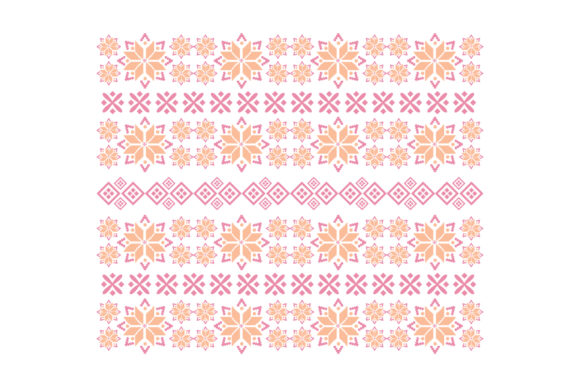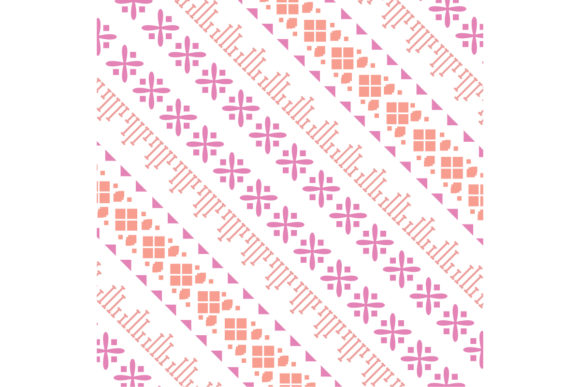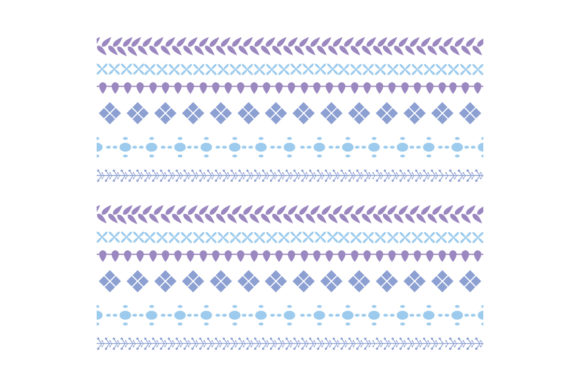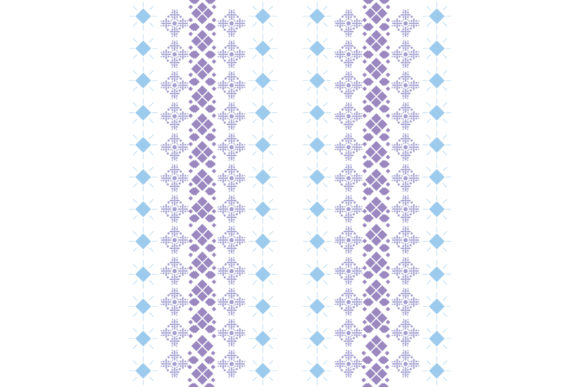
Beautiful Wall Paper Embroidery Design Review
As a professional embroidery digitizer and product reviewer, I approach every new machine embroidery design with a critical eye. When evaluating the Beautiful Wall Paper Embroidery Design, my first thought wasn't just about its aesthetic appeal as a digital graphic, but how those intricate patterns would translate into physical thread on fabric. This design, categorized under Patterns and Graphics, promises an elegant, wallpaper-inspired motif perfect for living room decor. However, for Etsy sellers, craft business owners, and makers, the real value lies in its stitchability and commercial viability. After analyzing the layout and visual weight of this design, I see immense potential for high-end home goods, provided you understand its technical personality.
First Impressions: Elegance Meets Technical Reality
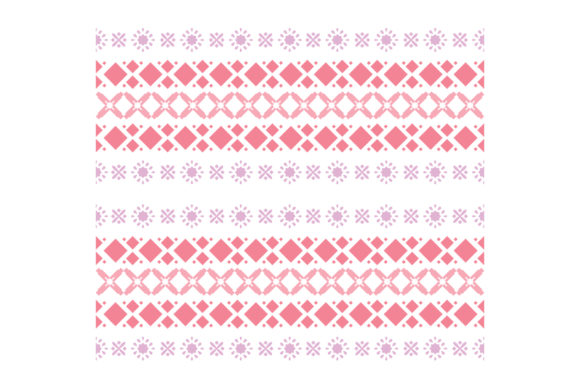
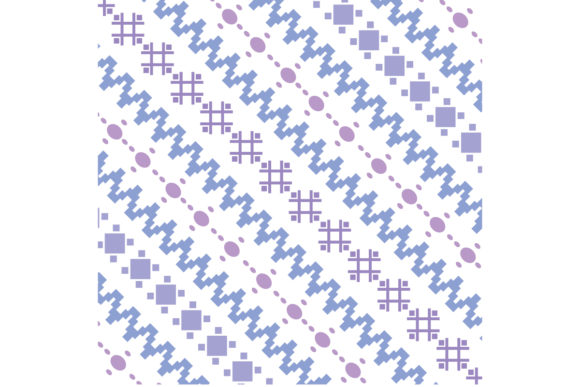
The Beautiful Wall Paper Embroidery Design immediately strikes a balance between vintage sophistication and modern clarity. Unlike generic floral fills, this pattern mimics the repetitive, structured elegance of actual wall coverings. Visually, it creates a mood of refined luxury, making it ideal for projects that need to look expensive and intentional. For a handmade product, this level of detail signals quality to the buyer. However, because it is designed to resemble wallpaper, the stitch density is likely higher than standard line art. This density is excellent for coverage and durability but requires careful planning regarding fabric choice. As a designer, I appreciate that the motif avoids chaotic overlapping, which often causes puckering, but the sheer volume of stitches means this is not a "quick stitch-out" project. It demands respect for the machine's rhythm and proper stabilization.
Real-World Application: The Custom Throw Pillow Test
To truly judge this embroidery file, I mentally placed it in a real-life production scenario: creating a premium embroidered throw pillow for a boutique home decor line. In this context, the Beautiful Wall Paper Embroidery Design shines. A pillow cover offers a stable, flat surface that can support the weight of a dense pattern without distorting. I envision stitching this out in a matte rayon or polyester thread on a linen-cotton blend. The texture of the linen complements the wallpaper aesthetic, while the cotton provides stability.
For this specific embroidery project, I would treat the design as a central medallion rather than an edge-to-edge print. Centering the pattern allows the negative space of the fabric to frame the embroidery, enhancing the luxurious feel. If you are an Etsy seller listing this as a personalized gift or wedding present, this application adds significant perceived value. Customers associate dense, well-executed patterns with heirloom quality. Furthermore, because the design evokes interior architecture, it pairs beautifully with other home textiles like tea towels or table runners, allowing you to build a cohesive collection of design assets for your shop.
Navigating Fabric Limitations and Hoop Constraints
While the design excels on home decor, caution is necessary when adapting it for apparel or delicate items. The very nature of a "wallpaper" style implies coverage, which can be problematic on stretchy or thin fabrics. I would advise against using this specific digital embroidery file on lightweight t-shirts or baby onesies unless you have tested it extensively. The stitch count required to render these patterns clearly could make a garment stiff, heavy, or prone to tearing at the needle points.
If you intend to use this for custom apparel like sweatshirts or tote bags, consider scaling the design down or isolating a single element of the pattern to reduce density. A full-scale stitch-out on a curved surface like a cap is generally ill-advised; the registration marks and complex fills may not align correctly on such a difficult substrate. Always verify the hoop size requirements before purchasing. If the design pushes the limits of your largest hoop, you risk running out of margin for error during alignment. For makers working with textured fabrics like terry cloth or fleece, ensure you use a water-soluble topping to prevent the intricate details from getting lost in the pile. Without that extra step, even the most beautiful graphics will look muddy in the finished product.
Enhancing Brand Value and Customer Trust
Using distinctive patterns like the Beautiful Wall Paper Embroidery Design helps differentiate your brand in a saturated market. Generic clipart is everywhere, but curated, architectural-style embroidery suggests a designer’s touch. When customers see a finished product featuring this level of complexity, it builds trust in your craftsmanship. They understand that this isn't a mass-produced factory item; it is a deliberate creation. For commercial embroidery businesses, offering this type of specialized decor can justify higher price points. It moves your offerings from basic monogramming into the realm of bespoke textile art.
Additionally, this design works exceptionally well for printable mockups and digital previews. Because the pattern is visually striking, it photographs well even before stitching. You can use high-quality renders to gauge customer interest on social media before committing to production runs. This strategy is invaluable for small shop owners managing inventory risks. Just ensure your mockups accurately represent the sheen and texture of thread so buyers know exactly what to expect.
Essential Designer Notes for Success
Before you load this embroidery file into your machine for a client order or sales stock, follow these practical guidelines to ensure professional results:
- Test Stitch on Scrap: Never skip this step. Use the exact fabric and stabilizer combination intended for the final piece. Check for puckering, thread breaks, and registration issues.
- Evaluate Thread Contrast: Wallpaper designs rely on subtle shading. Test thread colors in both natural and artificial light. A color that looks distinct on screen might blend together in thread, losing the pattern definition.
- Check Licensing: Confirm whether the license permits selling finished items or if it restricts usage to personal projects. As a craft business owner, protecting yourself legally is as important as stitch quality.
- Inspect Small Details: Zoom in on the design software. If there are tiny elements or thin lines, ensure they are digitized as running stitches or satin stitches appropriate for their width. Fill stitches in tiny areas can cause needle damage.
- Mockup in Black and White: Viewing the design in grayscale helps you assess value contrast independent of color. If the pattern disappears in black and white, it lacks sufficient depth for embroidery.
- Verify File Compatibility: Ensure the format matches your machine. While most formats are universal, some proprietary machines handle complex fills differently.
Final Verdict for Makers and Sellers
The Beautiful Wall Paper Embroidery Design is a sophisticated asset for the serious embroiderer. It bridges the gap between digital art and tangible textile craft, offering a unique aesthetic that stands out in the home decor niche. While it requires more technical consideration than simple text or outline designs, the payoff in product value and visual impact is substantial. Whether you are creating a signature tote bag design, upgrading your nursery decor line, or simply exploring new artistic territories, this pattern offers a rich canvas for creativity. Approach it with patience, test thoroughly, and let the intricate beauty of the stitches elevate your handmade business to the next level.