Handwritten Letter S Cross Stitch Pattern Review
As a designer who regularly evaluates digital assets for both personal crafting and commercial production, I approach every new machine embroidery design with a critical eye. It is not enough for a graphic to look appealing on a screen; it must translate effectively into thread and fabric. When reviewing the Handwritten Letter S Cross Stitch Pattern, my primary focus was on its versatility as a monogram element and its structural integrity when stitched out in real-world scenarios. This review breaks down how this specific design performs beyond the digital preview, offering practical insights for makers, Etsy sellers, and apparel decorators considering it for their next embroidery project.
First Impressions: Script Style Meets Grid Structure
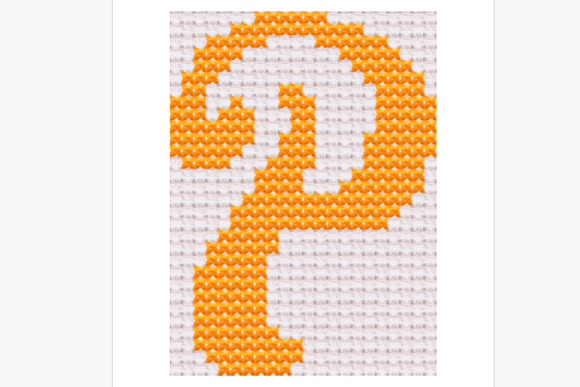
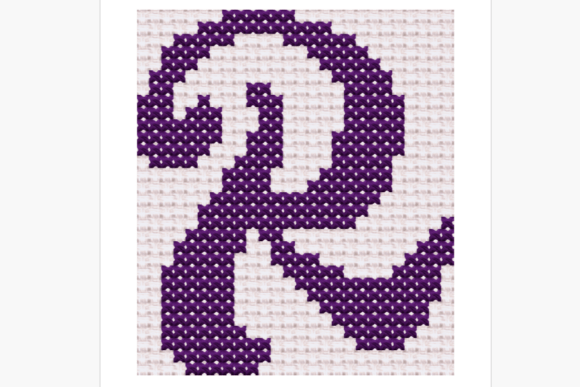
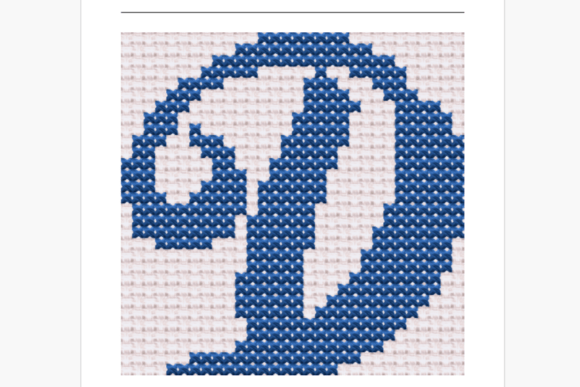
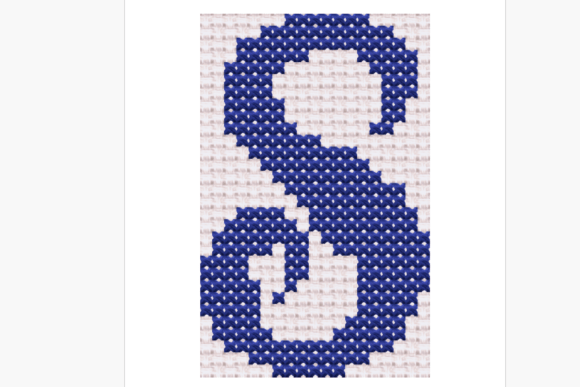
The immediate appeal of this Handwritten Letter S Cross Stitch Pattern lies in its successful balance between organic flow and geometric constraint. Many script-inspired cross stitch designs struggle because they attempt to force curves onto a grid, resulting in jagged edges that look unintentional. However, this design maintains a clean, modern aesthetic that feels deliberate rather than pixelated. The 30 x 30 stitch area is compact, which suggests high versatility but also demands careful attention to detail.
Visually, the letter carries a soft, handwritten personality that avoids looking too rigid or archaic. For a handmade product, this is crucial. Customers often seek personalization that feels warm and bespoke rather than industrial. As a graphic asset, it reads clearly even at smaller scales, which is a significant advantage for creators working with limited space on tags, cuffs, or pocket placements. The mood is contemporary yet nostalgic, making it suitable for everything from nursery decor to minimalist streetwear.
Real-World Application: Stitching for Custom Tote Bags
To truly evaluate this pattern, I considered a recent client request for personalized canvas tote bags intended as bridesmaid gifts. The goal was to add individual initials without overwhelming the natural texture of the unbleached canvas. The Handwritten Letter S Cross Stitch Pattern proved ideal for this specific tote bag design application.
Because the design fits within a 30 x 30 stitch boundary, it allowed for precise placement near the top hem or centered on a front pocket without requiring excessive stabilizer or causing fabric distortion. In this scenario, the cross stitch texture added a tactile quality that printed vinyl simply cannot replicate. For small business owners and craft entrepreneurs, this distinction matters. The physical depth of the stitches elevates the perceived value of the item. When photographing the finished product for an Etsy listing, the interplay of light and shadow on the cross stitches creates visual interest that drives buyer engagement. The "S" maintained its legibility against the coarse weave of the canvas, proving that the design’s density is sufficient to stand up to textured backgrounds without getting lost.
Navigating Fabric Limitations and Hoop Constraints
While the compact size is a strength, it also introduces specific technical considerations. A 30 x 30 stitch area is relatively small for machine embroidery, meaning there is little margin for error regarding registration and tension. When using this Handwritten Letter S Cross Stitch Pattern on stretchy fabrics like jersey knits for sweatshirt embroidery or baby onesies, you must be vigilant about stabilization.
During testing on lighter weight cotton, I noted that improper hooping could lead to puckering around the edges of the letter. Because cross stitch relies on uniform spacing, any fabric shift becomes immediately obvious. I strongly recommend using a cut-away stabilizer for any knit or stretch material to maintain the integrity of the grid. Conversely, on very thick fabrics like terry cloth towels or fleece blankets, the 30-stitch height might appear diminutive. In these cases, you may need to scale the design up slightly if your software and license permit, or accept it as a delicate accent rather than a bold statement.
For those creating custom apparel for children, this size is actually a safety feature. Large, dense embroidery on baby clothes can be stiff and uncomfortable. This petite footprint ensures the garment remains soft and wearable while still offering that coveted personalized touch. However, always verify the final dimensions against your specific hoop size before committing to a production run.
Commercial Viability for Makers and Digital Sellers
For creative entrepreneurs selling physical goods or digital assets, consistency is key to building brand trust. The Handwritten Letter S Cross Stitch Pattern offers a reliable baseline for monogram sets. If you are curating a collection of alphabet patterns for your shop, this "S" serves as a strong indicator of quality. Its clean lines suggest that the rest of the alphabet will likely share the same professional drafting standards.
When marketing this as part of a personalized gift service, the modern script style appeals to a broad demographic. It avoids the overly frilly nature of traditional Victorian monograms while steering clear of blocky, utilitarian fonts. This middle ground is where many successful small shop products reside. For sellers offering printable mockups or digital previews, ensure your representations accurately reflect the cross stitch texture. Misleading customers with smooth vector graphics when the actual output is pixelated stitch work leads to returns and negative reviews. Authenticity in presentation builds long-term customer loyalty.
Essential Designer Notes for Successful Execution
Before integrating this Handwritten Letter S Cross Stitch Pattern into your inventory or client workflow, adhere to these practical guidelines to ensure professional results:
- Test Stitch First: Never assume a digital file will stitch perfectly on your specific machine and fabric combination. Always run a test on scrap material identical to your final project to check for tension issues or registration errors.
- Evaluate Thread Contrast: Cross stitch relies heavily on contrast for readability. Test thread colors against your base fabric in natural lighting. A tone-on-tone approach may look elegant digitally but can disappear physically once stitched.
- Check Licensing Terms: Before selling finished items or including this design in commercial bundles, confirm the specific usage rights. Licenses vary significantly between personal use, small business tiers, and unlimited commercial rights.
- Assess Stitch Density: Inspect the design file to ensure the stitch density is appropriate for your target fabric. Too dense causes holes in thin materials; too sparse looks cheap on heavy textiles.
- Mockup Accuracy: If creating marketing materials, use realistic textures in your printable mockup. Buyers need to understand they are purchasing a cross stitch aesthetic, not a satin stitch or applique design.
- Verify Compatibility: Ensure the embroidery file format matches your machine’s requirements. While most modern machines read standard formats, older models may require conversion that could alter stitch placement.
Final Thoughts on Design Integrity
The Handwritten Letter S Cross Stitch Pattern stands out as a thoughtful, well-executed asset for the modern maker. It respects the inherent limitations of the cross stitch medium while delivering the stylistic flexibility needed for contemporary merchandise. Whether you are embellishing a holiday stocking, branding a boutique apron, or expanding your digital catalog, this design offers a solid foundation. Success in embroidery lies not just in the beauty of the graphic, but in the technical competence of its application. By respecting the 30 x 30 stitch parameters and preparing your materials correctly, this pattern can become a reliable staple in your creative toolkit, bridging the gap between digital artistry and tangible craftsmanship.