Handwritten Letter H Cross Stitch Review
As a professional embroidery designer specializing in commercial branding and small business merchandise, I approach every new asset with a critical eye toward production viability. When evaluating the Handwritten Letter H Cross Stitch, my primary focus is not just aesthetic appeal, but how this specific graphic translates from a digital screen to a tangible, sellable product. For small business owners, Etsy sellers, and apparel decorators, a monogram must serve as a functional component of brand identity, not merely a decoration. This review analyzes the technical and commercial performance of this modern handwritten-style cross stitch alphabet letter pattern for real-world business applications.
Visual Personality and Brand Alignment
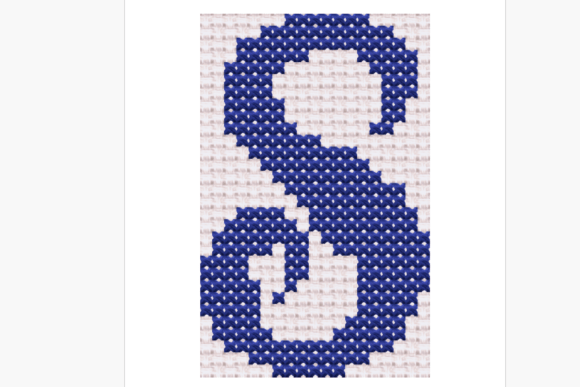
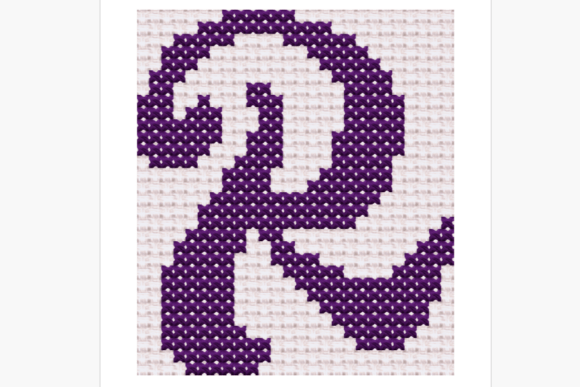
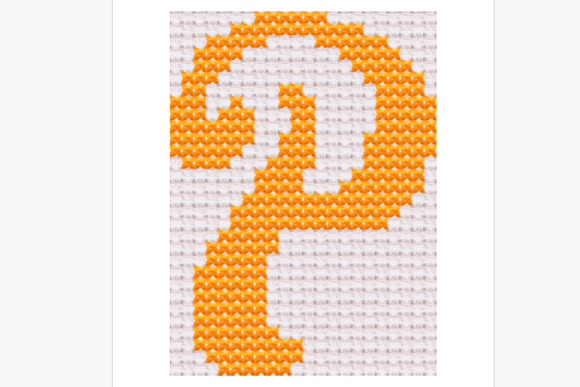
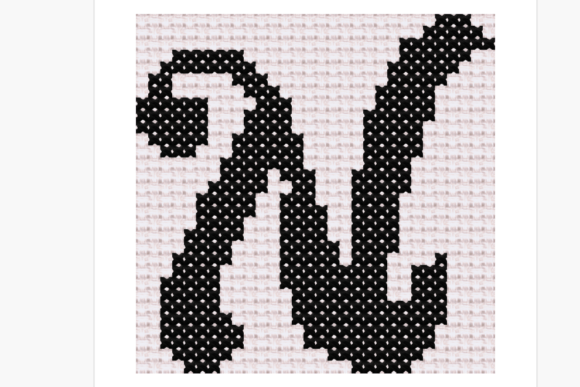
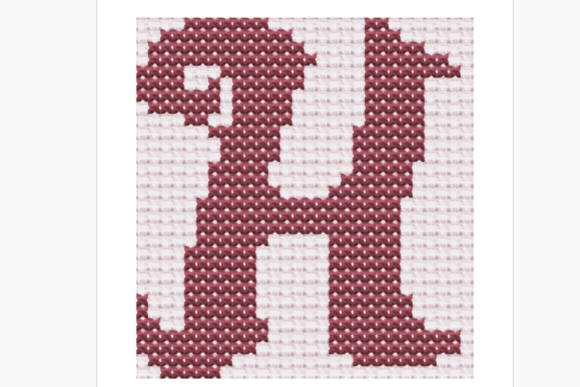
The first impression of the Handwritten Letter H Cross Stitch is distinctly artisanal yet refined. In the current market for handmade products and boutique merchandise, there is a strong demand for typography that feels personal rather than corporate. This design features a clean script-inspired look that strikes a balance between rustic charm and modern legibility. For a creative studio, florist, bakery, or pet brand, this visual tone communicates warmth and attention to detail.
Unlike standard block fonts often found in generic machine embroidery design libraries, this handwritten style suggests a human touch. This is crucial for businesses where trust and craftsmanship are the primary selling points. However, because it mimics handwriting within a cross stitch grid, it avoids looking messy. The structured nature of cross stitch patterns provides a pixelated clarity that ensures the letter remains recognizable even when scaled down for small business merch. It projects professionalism while retaining the cozy aesthetic necessary for lifestyle brands.
Commercial Applications for Small Business Merch
When integrating this graphics asset into a commercial embroidery workflow, versatility is key. The Handwritten Letter H Cross Stitch performs exceptionally well across various branded touchpoints due to its compact footprint.
- Embroidered Patches: This is perhaps the strongest use case. The design fits within a 30 x 30 stitch area, making it ideal for creating uniform patches or morale patches. Its density allows for clean merrowing edges without the internal details getting lost.
- Apron Embroidery: For cafés and bakeries, placing this monogram on the chest pocket or strap of an apron adds a premium feel to staff uniforms. The script style softens the utilitarian look of workwear.
- Tote Bag Design: Canvas totes are a staple for retail packaging and customer gifts. This letter works beautifully as a corner accent or a central minimalist mark, reinforcing brand recognition without overwhelming the bag’s utility.
- Cap Embroidery: While caps present challenges, this specific size is manageable for low-profile unstructured caps. It serves as an excellent side logo or back-strap detail where larger designs would fail.
- Product Packaging Accents: Beyond apparel, consider stitching this onto fabric tags for clothing lines or linen napkins for hospitality businesses. It elevates the perceived value of the finished product.
Technical Constraints and Production Considerations
While the Handwritten Letter H Cross Stitch is versatile, its small scale requires careful technical management. A 30 x 30 stitch area is quite compact in the world of commercial embroidery. As an experienced digitizer and designer, I must highlight specific limitations to prevent production failures.
Fabric Texture and Stabilizer Selection
Cross stitch relies on a grid. If you apply this design to a highly textured fabric like terry cloth or loose-knit linen without proper preparation, the "pixels" of the cross stitch will sink into the weave, destroying the legibility of the handwritten form. You must use an appropriate stabilizer. For tote bags and aprons, a medium-weight cutaway is usually best to maintain the structural integrity of the stitches. For lighter custom apparel, a tear-away may suffice, but always test first. The fabric texture directly impacts whether the script-inspired look reads as intentional design or poor registration.
Stitch Density and Thread Colors
Because the design area is small, stitch density becomes a critical factor. High stitch density in a 30 x 30 space can cause puckering or needle breaks if the thread tension isn't calibrated perfectly. When selecting thread colors, contrast is non-negotiable. A dark navy thread on a black uniform will render this intricate handwritten detail invisible. For maximum impact in brand identity, opt for high-contrast pairings: cream on denim, gold on charcoal, or white on sage green. Remember that cross stitch has natural texture; using variegated threads can sometimes muddy the definition of the letter H, so solid thread colors are generally safer for maintaining the clean script-inspired look.
Curved Surfaces and Tiny Lettering
Be cautious when applying this to curved surfaces like cap fronts or sleeves. While 30 x 30 stitches is small enough to fit, the distortion caused by hooping a curve can stretch the square grid of the cross stitch into a diamond shape. This distorts the handwritten aesthetic. If using this for cap embroidery, consider flattening the design slightly in your software or sticking to flat brim styles. Additionally, verify that your machine can handle the tiny jumps inherent in cross stitch patterns at this scale without excessive trimming time.
Impact on Brand Identity and Customer Trust
In the competitive landscape of Etsy sellers and local boutiques, visual consistency builds buyer engagement. Using the Handwritten Letter H Cross Stitch as a recurring motif creates a cohesive visual language. When customers see this specific typographic style on your packaging, your staff's aprons, and your social media printable mockups, it reinforces memory retention.
This design signals that the business values tradition and detail. In an era of mass-produced fast fashion, a cross stitch monogram implies a slower, more deliberate creation process. This perception directly correlates to higher product value. Customers are often willing to pay a premium for items that feature thoughtful, handcrafted-style branding. However, this only works if the execution is flawless. A poorly stitched monogram damages trust faster than no branding at all. The precision of the cross stitch must reflect the quality of the goods you sell.
Designer Notes for Successful Implementation
Before adding this digital embroidery file to your production queue, follow these professional protocols to ensure commercial success:
- Verify Specifications: Although described as fitting a 30 x 30 stitch area, always open the embroidery file in your software to confirm the exact dimensions and stitch count before hooping. Machine compatibility varies.
- Test in Black and White: Run a sew-out using black thread on white fabric first. This removes color variables and lets you assess the pure structure and spacing of the handwritten letter.
- Create Printable Mockups: Before committing to bulk production for a client or your own shop, place the design on digital mockups. Compare it beside other design assets to ensure the scale looks proportional on the intended item.
- Check Commercial Licensing: As this is a graphics product, confirm the license terms allow for commercial embroidery on merchandise for sale. Protecting your business legally is as important as the aesthetic quality.
- Hoop Size Matters: Use the smallest hoop possible that safely accommodates the 30 x 30 area plus margin. Excess fabric movement in a large hoop will ruin the registration of such a small, detailed design.
- Wash Testing: If this will be used on work shirts or aprons requiring frequent laundering, perform a wash test. Cross stitch can snag; ensure the top thread tension is balanced to prevent loops from pulling out during industrial washing.
The Handwritten Letter H Cross Stitch is a valuable asset for businesses seeking to blend modern branding with traditional craft aesthetics. By respecting its technical constraints and leveraging its unique visual personality, small business owners can transform this simple monogram into a powerful tool for recognition and sales. Always prioritize testing and quality control to ensure your embroidered patches and custom apparel meet the high standards your customers expect.