Fish Embroidery Design: A Craft Fair Seller Review
As an experienced embroidery designer preparing for a busy weekend craft fair, I evaluate every machine embroidery design through a specific lens: will this sell when placed on a table next to dozens of other handmade items? When reviewing the Fish Embroidery Design, my immediate assessment focuses on its marketability across various craft fair product categories. This design is not merely a digital asset; it is a potential revenue stream for Etsy sellers, boutique makers, and creative entrepreneurs who need reliable, attractive inventory that moves quickly.
First Impressions: Elegance Meets Market Appeal
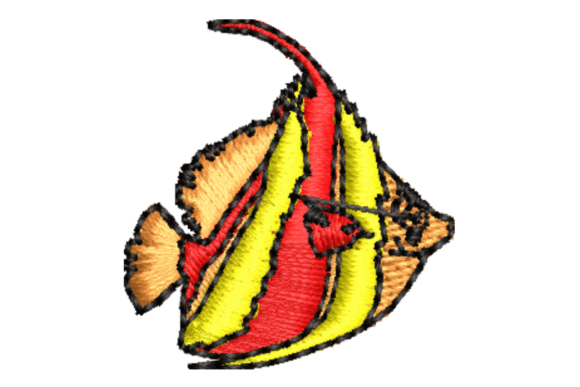
The first impression of this Fish Embroidery Design is one of refined serenity rather than cartoonish novelty. Based on the description of a "gracefully detailed aquatic creature," this design leans toward an elegant, organic aesthetic. For a handmade product line, this distinction is vital. While cute, chunky fish designs appeal strictly to children, a graceful silhouette with intricate detailing bridges the gap between kids' wear and sophisticated home decor. This versatility allows me to stock fewer unique designs while covering more product categories at my booth.
Visually, the design reads as premium. It avoids the cluttered look of low-quality digitizing, instead offering clean lines that suggest high-end commercial embroidery. For an Etsy seller or small shop owner, this perceived value justifies a higher price point. Customers at craft fairs are tactile buyers; they want to see stitch definition. The elegance promised in this design suggests it will hold up under close inspection, transforming a simple cotton tote into a boutique accessory rather than a generic giveaway.
Top Performing Products for Booth Displays
When planning my table layout, I must decide where this embroidery file will generate the most profit. Not every item sells equally. Here is how I evaluate this specific design for physical products:
- Tote Bag Design: This is likely your highest volume seller. The graceful nature of the fish works beautifully on natural canvas or linen totes. It serves as a focal point without overwhelming the bag's utility. For summer markets, a beach-themed tote featuring this design is an impulse buy staple.
- Tea Towel Embroidery: Kitchen textiles require designs that withstand washing and maintain clarity. The "serenity" aspect of this fish makes it perfect for calming kitchen aesthetics. Unlike dense, blocky designs that can make towels stiff, a gracefully detailed fish usually retains fabric drape, making it a superior small shop product.
- Apron Embroidery: Positioning matters here. Placed on the chest pocket area or the lower hem, this design adds a custom, artisanal touch to standard aprons. It appeals to customers looking for unique gifts for chefs, gardeners, or artists.
- Embroidered Patch: If you have excess fabric scraps, converting this design into patches maximizes material ROI. The detailed nature implies it will digitize well as a standalone badge for caps or jackets, expanding your inventory without buying new blanks.
- Kids’ Clothing: As noted in the product description, this is ideal for summer wear. However, because of its elegance, avoid placing it solely in the toddler section. This design elevates older children’s linen shirts or sundresses, appealing to parents seeking "mini-me" sophistication over loud graphics.
Production Practicality and Batch Efficiency
A beautiful design is useless if it causes production headaches during a pre-fair marathon. When evaluating this digital embroidery file for batch production, I look for repeatability. Does the design allow for efficient hooping? Can I run multiple tea towels in succession without re-threading constantly?
The Fish Embroidery Design appears optimized for production efficiency due to its focus on grace rather than excessive complexity. Designs with too many color stops kill profit margins. Assuming this file follows professional digitizing standards, it should offer a balance of detail and speed. For commercial embroidery businesses, time is money. A design that stitches out in 15 minutes versus 40 minutes determines whether you can fulfill custom orders during the fair itself.
Photographing for online listings is another practical consideration. The clean lines and elegant styling mean this design will photograph crisply for printable mockup use and actual product photography. Intricate, messy designs often look blurred in thumbnails. This design’s inherent clarity supports strong visual merchandising both digitally and physically.
Critical Technical Considerations for Makers
Even the best design assets have limitations. As a professional, I must issue careful-use notes to ensure your finished product meets customer expectations. Before listing this item or stitching it for sale, consider these technical factors:
Fabric Texture and Stabilizer Choice
The "graceful detail" mentioned in the description requires a stable foundation. On textured fabrics like terry cloth tea towels or waffle weave, fine details can get lost. You must use an appropriate stabilizer—likely a cut-away for stretchy knits or a heavy tear-away for woven towels—to prevent puckering. Always test on scrap fabric first. If the fish has delicate fin details, a water-soluble topping may be necessary to keep stitches from sinking into the pile.
Sizing and Stitch Density
Check the stitch density before resizing. Elegant designs often rely on satin stitches or fine fill patterns. Scaling this design down too small for a patch or cap may cause thread breaks or loss of definition. Conversely, scaling it up too large for a pillow cover might result in sparse coverage. Verify the recommended hoop size and maximum dimensions included with the file. Never assume a design is resize-friendly without testing; distortion ruins the "premium" feel.
Thread Colors and Contrast
Serenity is often conveyed through color. Review your thread colors against your chosen blank. A silver fish on white fabric disappears; a navy fish on charcoal looks muddy. High contrast highlights the detail. For summer wear, consider variegated threads to mimic aquatic movement, but ensure the variegation doesn't obscure the design's graceful lines. Create at least one real mockup on your intended selling fabric to confirm visibility from a distance.
Maximizing Value at the Craft Fair
At the booth, visual appeal drives engagement. The Fish Embroidery Design contributes to a cohesive brand identity when grouped correctly. Avoid mixing this elegant aquatic theme with rustic farm animals or neon geometric shapes. Instead, create a "Coastal Serenity" collection. Group embroidered pillow covers, matching tea towels, and coordinating tote bags together. This cross-merchandising encourages multi-item sales.
Customer attention spans are short. This design succeeds because it communicates its theme instantly. Shoppers don't need to squint to understand what it is. The emotional connection to water, summer, and calmness triggers positive associations, which is essential for selling handmade product items that rely on feeling rather than pure utility.
Final Designer Verdict for Sellers
Before adding this Fish Embroidery Design to your commercial lineup, confirm all licensing terms. Ensure you have the right to sell finished goods and check if there are limits on production quantity. Respect intellectual property to protect your business reputation.
In summary, this design represents a strong opportunity for makers targeting the summer and coastal niche. Its blend of elegance and charm positions it above generic clip-art embroidery. By focusing on high-quality blanks, proper stabilization, and strategic product placement, this design can become a cornerstone of your craft fair inventory. Whether you are an established Etsy seller or a weekend hobbyist turning pro, the key to success lies in treating this embroidery file not just as art, but as a calculated component of a profitable product line. Test thoroughly, stitch with intention, and let the serene quality of the design do the selling.