Be Kind: A Craft Fair Embroidery Review
As an experienced embroidery designer preparing for a weekend craft fair, my selection process is rigorous. I cannot afford to hoop designs that look muddy on textured fabrics or fail to catch the eye of a passing shopper. When evaluating the Be Kind machine embroidery design for my upcoming market booth, I am looking at more than just a cute sentiment; I am analyzing stitch density, production speed, and commercial viability. This colorful design promises versatility across kids’ clothing, tote bags, and classroom decor, but how does it actually perform when you need to produce inventory quickly and sell it effectively? Here is my professional assessment of this digital embroidery file for handmade business owners.
First Impressions: Bold Color Meets Universal Appeal
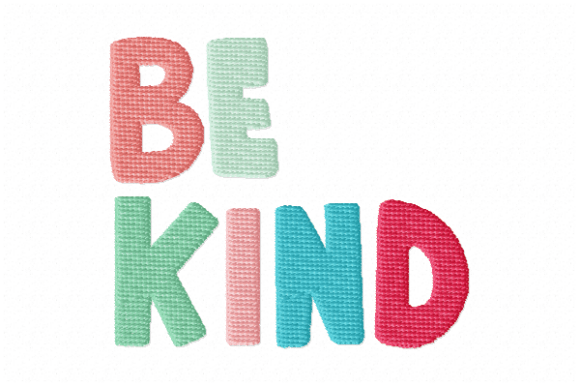
My immediate reaction to the Be Kind design is that it strikes a necessary balance between playful and polished. In the Babies Kids category, there is often a risk of designs feeling too juvenile for adult buyers or too sterile for children. This design avoids both pitfalls. The colorful aesthetic suggests a modern, cheerful vibe rather than a dated, rustic look. For a craft fair product, this visual brightness is essential. It acts as a visual anchor in a booth filled with neutral linens and earth tones.
The typography appears legible from a distance, which is critical for market sales. Customers walking down an aisle make split-second decisions. If they have to squint to read the message, they keep walking. The bold nature of this design ensures that the inspirational message is instantly recognizable, making it a strong contender for high-traffic items like embroidered patches and hanging tea towel embroidery displays.
Best-Selling Applications for Market Booths
Not every embroidery file translates well to every product. Based on the structure and theme of Be Kind, I have identified specific applications where this design will yield the highest return on investment for Etsy sellers and boutique makers.
- Tote Bag Design: This is arguably the strongest application. Canvas tote bags provide a stable, flat surface that accommodates colorful thread colors without distortion. As a tote bag design, Be Kind serves as a walking billboard for your brand at the market itself.
- Kids’ Hoodies and Apparel: Since the description highlights kids' clothing, this is a natural fit. However, for commercial embroidery on apparel, ensure the design is centered correctly to account for garment shrinkage. The inspirational aspect makes it perfect for back-to-school markets.
- Classroom Decor and Patches: Teachers are frequent craft fair shoppers. Creating iron-on or velcro-backed embroidered patches allows for a lower price point and higher volume sales. These work beautifully as add-on items at checkout.
- Tea Towel Embroidery: While effective, this requires caution. Flour sack towels are ideal, but thick terry cloth may obscure smaller details. Use this design on tea towels only if the lettering is sufficiently bold.
Production Practicality and Batch Efficiency
For small shop product creators, time is money. A design might be beautiful, but if it takes three hours to stitch out, it destroys your profit margin. The Be Kind design appears optimized for batch production. The colorful elements likely utilize efficient color changes, minimizing trim times and thread breaks. When preparing for a fair, I look for design assets that allow me to hoop multiple items or complete runs quickly.
Photographing this design for online listings is also straightforward. High-contrast, colorful designs photograph better than subtle tone-on-tone embroidery. This means your printable mockup and finished product photos will pop on social media feeds and Etsy search results without requiring extensive editing. The universal message also reduces the need for niche marketing; almost everyone is a potential customer for kindness-themed goods.
Critical Technical Considerations for Makers
Despite its appeal, no machine embroidery design is without risks. As you integrate Be Kind into your production line, pay close attention to these technical factors to avoid wasted blanks and frustrated customers.
Fabric Texture and Stabilizer Choice
The success of this design hinges on proper stabilization. If you are stitching on knit fabrics for hoodies or kids' clothing, you must use a cut-away stabilizer to prevent puckering. For woven fabrics like canvas totes or apron embroidery, a medium-weight tear-away may suffice. Always test the stitch density on a scrap of your exact selling fabric before committing to a full production run. If the design feels stiff or bulletproof, the density may be too high for lightweight baby clothes; consider resizing or using a lighter weight thread.
Sizing and Legibility Limits
While the description mentions multiple sizes, be wary of scaling down too aggressively. Inspirational text relies on clarity. If you reduce the Be Kind design to fit a small pocket or cap, verify that the inner counters of letters (like 'e', 'a', and 'o') do not fill in with ink. Curved cap surfaces present additional challenges; use a specialized cap hoop and backing designed for structured hats to maintain registration. If the smallest size loses definition, exclude it from your product lineup entirely. Selling a flawed handmade product damages brand trust.
Thread Contrast on Dark Fabrics
Colorful designs can sometimes get lost on dark backgrounds. If you plan to offer this on navy hoodies or black tote bags, ensure the outline or background elements provide sufficient contrast. You may need to adjust thread colors specifically for dark fabric variations to maintain the design's vibrancy and readability.
Strategic Advice for Creative Entrepreneurs
To maximize the selling power of Be Kind, treat it as part of a cohesive collection rather than a standalone item. Pair it with complementary minimalist icons or floral accents to create bundle options. For digital sellers offering the embroidery file, include detailed notes on recommended stabilizers and fabric types in your listing description. This reduces customer support questions and increases positive reviews.
Always confirm commercial licensing terms before selling finished products. While many designers allow sales of physical embroidered items, some restrict mass production or require attribution. Protect your business by verifying these details in the original product documentation. Additionally, create at least one real, physical mockup before listing. Digital renderings are useful, but customers at craft fairs want to see how the thread sheen interacts with the fabric texture in person.
Final Verdict for Handmade Sellers
The Be Kind machine embroidery design earns a spot in my craft fair lineup. It offers the right combination of emotional resonance, visual impact, and production practicality required for a successful market season. By focusing on high-visibility products like tote bags and kids' apparel, and adhering to strict quality control regarding stabilizer and sizing, this design can become a reliable bestseller. Whether you are an established Etsy seller or a new boutique maker, this inspirational design provides a versatile foundation for profitable, meaningful handmade products.