Merry Christmas Cute Sloth: A Crafter's Review
As I prepare my booth inventory for the upcoming holiday craft fair season, I am constantly evaluating which digital assets will translate into best-selling physical products. The Merry Christmas Cute Sloth machine embroidery design has caught my attention as a potential staple for this year’s festive lineup. When you are an Etsy seller or a boutique maker, you cannot simply stitch every cute graphic you find; you must analyze whether a design possesses the commercial viability to stop shoppers in their tracks. This review breaks down my professional assessment of this design, focusing on its practical application for tote bags, aprons, tea towels, and other high-margin handmade products.
First Impressions and Market Appeal
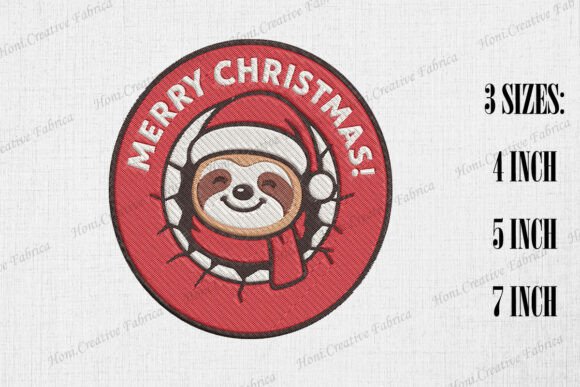
Upon loading the embroidery file into my software, the immediate impression of the Merry Christmas Cute Sloth is one of approachable, whimsical charm. It strikes a balance between modern humor and traditional holiday warmth. For a craft fair product, this is crucial. Shoppers at winter markets are often looking for gifts that feel personal and lighthearted rather than overly formal. The sloth motif taps into a lasting trend of "cozy" aesthetics that resonates deeply with millennial and Gen Z buyers, while the explicit "Merry Christmas" text ensures it remains seasonally relevant for traditional gift-givers.
From a design hierarchy perspective, this artwork appears versatile enough to serve as either a primary focal point or a secondary accent. The visual weight seems balanced, suggesting it will not overwhelm smaller items like baby onesies or fabric pouches, yet it holds enough detail to stand alone on a large market bag. For creative entrepreneurs, this duality is valuable. It allows you to maximize the return on investment from a single digital embroidery file by applying it across multiple price points in your shop.
Best Product Applications for Holiday Sales
Not every substrate is created equal when showcasing specific embroidery styles. Based on the characteristics of the Merry Christmas Cute Sloth, I have identified several high-potential applications for the upcoming market season.
- Tea Towel Embroidery: This is arguably the strongest use case. Flour sack towels or waffle-weave kitchen linens provide a smooth, stable surface that accommodates detailed stitching without distortion. The humorous nature of a sloth pairs perfectly with kitchenware, making it an impulse buy for hostess gifts.
- Tote Bag Design: Canvas totes are a craft fair staple. This design works exceptionally well centered on a natural cotton tote. The contrast of festive thread colors against unbleached canvas creates a rustic, farmhouse aesthetic that sells consistently at outdoor markets.
- Baby Onesies and Kids' Wear: The "cute" factor here is paramount. Because the description notes suitability for baby clothes, the design likely scales down well. However, always verify the smallest recommended size to ensure facial details remain distinct.
- Apron Embroidery: Holiday baking is a massive niche. Placing this design on the chest area of a bib apron creates an instant conversation starter. It transforms a utilitarian item into a giftable handmade product.
- Embroidered Patches: If you want to create low-cost add-ons for your booth table, consider stitching this design onto felt or twill to create iron-on patches. These utilize less stabilizer and hoop time while offering a lower entry price point for customers.
Production Practicality and Booth Display
When preparing for batch production, efficiency is just as important as aesthetics. The Merry Christmas Cute Sloth appears to be designed with production speed in mind, though verification is necessary. For commercial embroidery businesses, a design that requires excessive thread changes or complex re-hooping can eat into profit margins. This design seems streamlined enough for multi-needle machines or efficient single-needle runs.
Regarding booth display strength, this design photographs beautifully for online listings. The distinct shapes and likely bold outlines make it readable in thumbnail images on Etsy or social media. When setting up your physical table, I recommend creating a tiered display using tea towels draped over baskets and tote bags hung at eye level. The recognizable silhouette of the sloth acts as a visual hook from a distance, drawing customers closer to inspect the stitch quality. For digital sellers offering printable mockups, ensure your mockup templates reflect the actual texture of the finished product to manage customer expectations accurately.
Critical Technical Considerations
While the design is charming, experienced embroiderers know that cuteness does not excuse poor technical execution. Before listing any finished product, you must address specific variables inherent to machine embroidery.
Fabric Texture and Stabilizer Selection
The description mentions use on textured towels and thick fabrics. Exercise caution here. Terry cloth and fleece can swallow fine details. If the Merry Christmas Cute Sloth contains small lettering or intricate facial features, you must use a water-soluble topping to prevent stitches from sinking into the pile. Always test on scrap fabric first. If the design loses clarity on a specific towel brand, switch to a smoother weave or reserve the design for flat-weave linens only.
Stitch Density and Fabric Compatibility
Check the stitch density before running a full production batch. Dense satin stitches on lightweight t-shirts can cause puckering or fabric tearing. Conversely, if the density is too light on heavy canvas, the design may look sparse. Adjust your stabilizer choice accordingly; use cutaway stabilizer for stretchy knits like onesies and tear-away for stable woven fabrics like tablecloths. Confirming the appropriate hoop size is also vital to maintain proper tension throughout the stitching process.
Scaling and Detail Integrity
A common pitfall with cute animal designs is resizing them too small. Verify the minimum dimensions specified in the embroidery file metadata. Reducing the design below this threshold can cause registration issues where eyes or mouths become misaligned blobs. If you intend to sell this on caps, remember that curved surfaces distort flat designs. You may need to purchase a cap-specific version or adjust the digitizing to accommodate the curve.
Maximizing Value and Brand Consistency
Incorporating the Merry Christmas Cute Sloth into your lineup should align with your broader brand identity. If your shop focuses on elegant, minimalist decor, this whimsical design might feel out of place unless styled specifically as a novelty item. However, for makers specializing in cozy cottagecore, nursery decor, or humorous holiday gear, this asset reinforces your niche authority.
To increase perceived value, pair this embroidery with premium materials. A sloth stitched on a $3 generic towel feels cheap; the same design on a high-GSM organic cotton towel feels like a luxury handmade gift. Document your process with photos showing the back of the embroidery and the stabilizer used. This transparency builds trust with buyers who understand the effort behind commercial embroidery.
Final Designer Recommendations
Before you commit to a full weekend of selling, run through this essential checklist:
- Verify Licensing: Double-check that your purchase includes rights for selling finished products. Never assume a digital embroidery file allows for commercial use without explicit confirmation.
- Create Physical Mockups: Do not rely solely on digital previews. Stitch at least one sample on your intended selling substrate to check thread colors against the fabric under natural lighting.
- Test Wash Durability: If selling baby items or kitchen textiles, wash and dry your sample to ensure the design holds up. Customers expect handmade products to last.
- Optimize Thread Colors: Review the color chart included with the design. Sometimes swapping a standard green for a variegated or metallic thread can elevate the design from "cute" to "premium" without altering the digitizing.
- Batch Strategically: Group similar items together to minimize hooping changes. Stitch all tea towels first, then move to tote bags, saving apparel for last due to the increased setup time.
The Merry Christmas Cute Sloth represents a strong opportunity for holiday sales, provided it is executed with professional attention to detail. By respecting the technical requirements of machine embroidery and strategically selecting your substrates, you can turn this digital asset into a tangible revenue stream. Whether you are stocking an Etsy shop or filling a craft fair table, success lies in the intersection of charming design and flawless production. Happy stitching, and may your holiday season be both creative and profitable.