Hearts: A Seasonal Embroidery Design Review
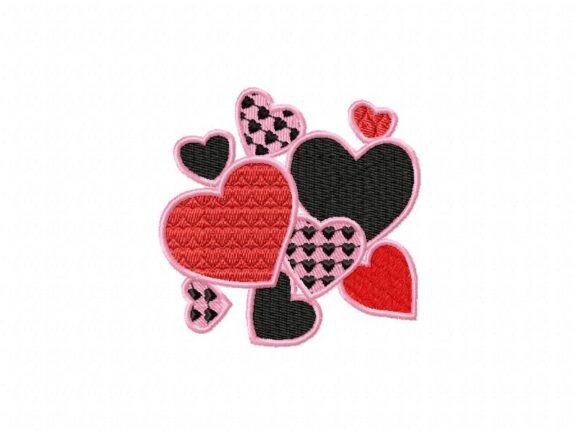
As an embroidery designer curating a seasonal collection, I am constantly evaluating which digital assets will translate into best-selling physical products. When reviewing the Hearts design for upcoming holiday and celebration drops, my primary focus is versatility and emotional resonance. For an effervescent pop of color, consider the vivid charm of this colorful heart pattern. It promises to be the crowning jewel that brings life into fabric creations, but as with any machine embroidery design, its success depends entirely on how we apply it to real-world merchandise. This review breaks down my professional assessment of integrating Hearts into a commercial or hobbyist product lineup.
Evaluating the Seasonal Mood and Visual Tone
The first impression of Hearts is undeniably vibrant. In the context of holiday embroidery, many designs lean heavily into traditional reds, greens, or muted vintage tones. However, this design offers a bright, cheery aesthetic that bridges the gap between Valentine’s Day, Mother’s Day, and general winter gift-giving. The emotional tone is playful yet polished, making it suitable for both children’s apparel and modern home decor. As an Etsy seller or small business owner, you want designs that stop the scroll. The vivid nature of this pattern suggests high contrast and saturation, which photographs exceptionally well for social media previews and listing thumbnails.
From a stylistic perspective, Hearts avoids looking overly juvenile. While cute, it maintains enough decorative sophistication to work on premium items like linen pillow covers or embroidered aprons. This balance is crucial for seasonal embroidery collections where you need a single motif to appeal to multiple demographics. Whether you are aiming for a cozy, nostalgic vibe or a modern, eclectic look, the adaptability of this heart pattern allows it to serve as a unifying element across diverse product categories.
Strategic Product Applications for Holiday Sales
When planning a limited-time product drop or a permanent holiday collection, I look for designs that maximize return on investment through variety. Hearts performs exceptionally well across several key categories:
- Sweatshirt Embroidery: This is perhaps the strongest application. Placing a colorful heart on the left chest or center of a cream or pastel sweatshirt creates an instant handmade gift staple. The design’s cheeriness contrasts beautifully against neutral fleece fabrics.
- Tote Bag Design: Canvas totes are high-margin sellers during holiday markets. A large-scale stitch-out of Hearts on natural cotton canvas provides a bold visual statement that appeals to eco-conscious shoppers looking for reusable, festive packaging alternatives.
- Kitchen Towel Embroidery: For hostess gifts, this design adds a personalized touch without being overly specific to a single date. It works well on flour sack towels where the fabric texture is smooth enough to showcase detail.
- Pillow Cover and Home Decor: Seasonal throw pillows are excellent upsells. Using Hearts in a coordinating color palette can tie together a room’s holiday theme while remaining subtle enough to keep up year-round.
- Personalized Gift Bundles: Consider pairing an embroidered bib or burp cloth with a matching pacifier clip. The design scales down effectively for baby items, making it a top contender for new parent gift sets.
For those selling digital embroidery file formats directly, marketing this design as part of a "Year-Round Love" bundle rather than just a Valentine's release can extend its sales lifecycle significantly.
Technical Considerations and Fabric Limitations
While the aesthetic appeal of Hearts is clear, technical execution determines customer satisfaction. As a designer, I must advise caution in specific scenarios to protect your brand reputation. Not every embroidery file behaves identically on every substrate.
Navigating Hoop Sizes and Stitch Density
Before listing any finished product, verify the stitch density. Vivid, colorful fills often require higher density to prevent fabric show-through. If you are stitching on thick terry cloth towels or plush fleece, ensure the design includes adequate underlay. Without proper stabilization and underlay, the bright threads may sink into the pile, resulting in a muddy appearance. Always check the recommended hoop size before purchasing or downloading; resizing a dense fill design too drastically can distort the shape or cause needle breaks.
Fabric Texture and Color Contrast
The description highlights an "effervescent pop of color," which implies reliance on thread vibrancy. On dark fabrics, this effect can be lost unless you use a white underlay base or specifically digitized high-contrast version. Test thread colors on both light and dark scraps before committing to a production run. Additionally, be wary of using complex filled hearts on stretchy knits without cutaway stabilizer. Distortion is the enemy of commercial embroidery, and a warped heart looks unprofessional regardless of the thread quality.
Small Details and Washing Durability
If you plan to use Hearts on items requiring frequent washing, such as baby clothes or kitchen linens, inspect the smallest details. Tiny satin stitches or intricate inner lines may fray over time. For these applications, I recommend testing wash durability personally. If the design features delicate elements, reserve it for decorative pieces like ornaments or wall hangings rather than high-wear garments.
Enhancing Buyer Emotion and Perceived Value
In the competitive landscape of small shop product sales, emotion drives conversion. Hearts taps into universal feelings of warmth and affection, which are amplified during holiday shopping seasons. However, perceived value comes from presentation. Do not rely solely on flat digital renders. Create realistic printable mockup images showing the design stitched out on actual products. Customers need to visualize the scale and texture.
Furthermore, consistency builds trust. If you use Hearts on a sweatshirt, ensure the thread colors match exactly when used on a coordinating tote bag. This attention to detail signals professionalism to buyers browsing your shop. For personalized gift seekers, offering custom color variations of this design can justify a higher price point. The ability to tailor the "vivid charm" to a recipient's favorite colors transforms a standard embroidered patch or appliqué into a bespoke treasure.
Designer Notes for Successful Implementation
To ensure Hearts becomes a profitable asset in your seasonal catalog, follow these practical steps:
- Verify Licensing: Before selling finished goods or distributing files, confirm the commercial licensing terms associated with this freebie or paid design. Protecting your business starts with legal compliance.
- Test Stitch-Outs: Never skip the test run. Check registration, trim jumps, and color transitions. A vivid design shows every flaw, so precision is paramount.
- Plan Color Palettes: Select thread brands that offer the specific vibrancy described. Matte threads may dull the "effervescent" effect, while rayon or polyester might enhance it. Match your thread choice to the intended mood.
- Optimize Stabilization: Document which stabilizer combinations work best for each product type. This saves time during reorders and ensures consistent quality across different batches.
- Market the Versatility: In your product descriptions, explicitly mention the various uses discussed above. Help the customer understand that this isn't just a Valentine's design, but a versatile tool for joy and celebration.
Ultimately, Hearts represents a fantastic opportunity for creators looking to inject energy into their seasonal offerings. By respecting the technical requirements and leveraging its emotional appeal, this design can elevate your handmade gift inventory and delight customers long after the holidays have passed. Always review the specific file attributes provided by the source to ensure compatibility with your machine and business goals.