Decorative Candle Ornament: A Craft Fair Review
As an experienced embroidery designer preparing for the upcoming holiday market season, I approach every new machine embroidery design with a critical eye toward production efficiency and retail appeal. When evaluating the Decorative Candle Ornament for my weekend craft fair booth, my primary focus is not just on digital aesthetics, but on how this design translates into a tangible handmade product that customers will actually pick up and purchase. This specific design is marketed as an In The Hoop (ITH) project fitting a 4x4 hoop size, which immediately signals its potential as a high-volume, low-waste item perfect for impulse buys at a busy market table.
First Impressions and Market Positioning
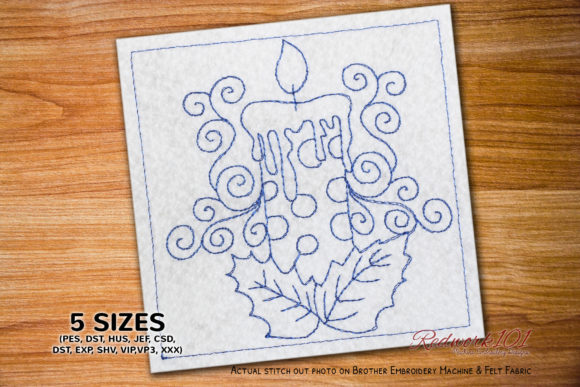
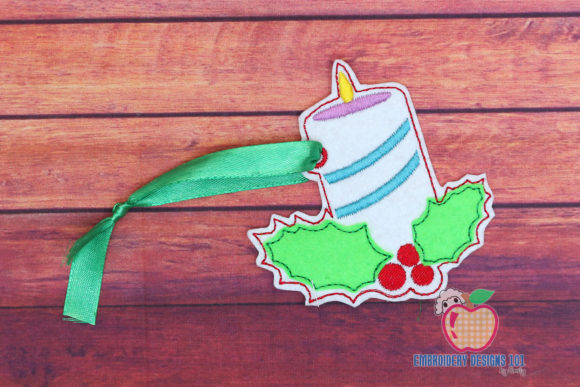
Upon reviewing the design assets, the Decorative Candle Ornament presents itself as a quintessential festive accent. Based on the title and description, this piece leans heavily into traditional Christmas nostalgia while maintaining enough versatility to fit modern farmhouse or cozy cottage aesthetics. For an Etsy seller or boutique maker, this balance is crucial. It does not feel overly religious or dated; rather, it evokes warmth, light, and celebration. As a digital embroidery file, the concept of a candle suggests intricate shading and potentially metallic thread accents, which can elevate the perceived value of the finished product significantly above standard flat ornaments.
In a real-world booth scenario, where tables are often crowded with embroidered tote bags, aprons, tea towels, and patches, this ornament serves a specific strategic purpose. While larger items like pillow covers and market bags anchor the display, the Decorative Candle Ornament acts as the accessible entry point for buyers. It is a small shop product that allows customers to engage with your brand at a lower price point. If they love the stitch quality and design aesthetic of this small ornament, they are far more likely to trust the quality of your higher-priced commercial embroidery pieces.
Production Viability for Batch Manufacturing
For creative entrepreneurs and digital sellers, time is money. The fact that this is an In The Hoop project designed for a 4x4 hoop is its strongest selling feature for batch production. Unlike complex multi-hoop projects that require constant machine attendance, this format allows me to set up multiple hoops or cycle through production rapidly while managing other booth preparations. The included step-by-step PDF tutorial is a vital asset here. Even for seasoned professionals, having clear construction guidance ensures consistency across dozens of units. When producing for a craft fair, repeatability is key; every Decorative Candle Ornament must look identical to maintain brand consistency and professional handmade quality.
However, practical selling points extend beyond speed. I must consider how this design photographs for online listings and printable mockups. Candle designs often rely on subtle color gradients to create depth. Before listing this as a digital download or physical product, I need to verify that the digitizing captures these nuances without becoming muddy when scaled down or viewed in thumbnail size on mobile devices. A design that looks stunning on screen but loses clarity in photos will fail to convert sales on Etsy or social media platforms.
Fabric Selection and Technical Considerations
While the Decorative Candle Ornament is versatile, it requires careful fabric selection to succeed as a craft fair product. Because this is likely a dense fill design intended to mimic the glow and texture of a candle, using the wrong base material can lead to puckering or distortion. I strongly advise against testing this directly on thick terry cloth towels or highly textured canvas initially. Instead, opt for smooth cottons, linen blends, or felt specifically suited for ITH ornaments. These fabrics provide the stable foundation necessary for crisp edges and clean satin stitches.
Stitch density is another critical factor. As a designer, I always inspect the density chart before running a full production batch. If the Decorative Candle Ornament has exceptionally dense areas to create shadow effects, you must use an appropriate stabilizer. A cut-away stabilizer is often safer than tear-away for ITH projects to prevent seam separation during the final trimming process. Furthermore, if you plan to incorporate metallic threads to enhance the "candlelight" effect, reduce your machine speed and use a larger needle to prevent thread breaks and friction damage. These technical adjustments ensure the final item feels premium rather than mass-produced.
Careful Use Notes for Sellers
- Contrast Check: Ensure thread colors contrast sufficiently against your chosen fabric. A white candle on cream fabric may disappear in dim craft fair lighting.
- Size Limitations: Since this fits a 4x4 hoop, do not attempt to resize it significantly smaller. Tiny details in candle flames or wicks may become indistinguishable blobs of thread.
- Curved Surfaces: Avoid placing this design on curved cap surfaces or uneven pouch seams. The flat nature of ITH construction demands a perfectly flat stitching field.
- Dark Fabrics: If stitching on dark backgrounds, verify the digitizer included adequate underlay. Without it, the background fabric may show through the candle design, ruining the illusion.
Maximizing Booth Display and Customer Engagement
Visual appeal drives buyer engagement. When displaying the Decorative Candle Ornament alongside other holiday inventory, group them by color story or theme. Placing them near complementary items like embroidered tea towels or festive apron embroidery creates a cohesive vignette that encourages bundling. Customers often buy gifts in sets; offering the ornament as an add-on to a larger kitchen textile purchase increases average transaction value.
For digital sellers offering this as a commercial embroidery file, transparency builds trust. Clearly state in your listing whether the PDF tutorial includes assembly photos and if the design has been tested on specific fabrics. Provide accurate information regarding the exact stitch count and recommended thread colors. Never guess these specifications. If the original product description does not list them, run a test stitch-out yourself and document the results. Buyers need to know exactly what they are purchasing to avoid frustration and negative reviews.
Designer’s Pre-Production Checklist
Before committing to a full production run for the weekend market, every embroidery business owner should complete this validation process:
- Test on Scrap Fabric: Never run the first Decorative Candle Ornament on sellable material. Use scraps identical to your production fabric to check tension and registration.
- Verify Hoop Compatibility: Confirm your specific machine’s 4x4 hoop matches the file’s dimensions. Some machines have slightly different usable areas.
- Create Real Mockups: Photograph the actual stitched sample rather than relying solely on software renderings. Real-world texture sells handmade products better than digital perfection.
- Check Licensing: Review the terms included with the digital embroidery file. Confirm you have the right to sell finished physical products versus just personal use rights.
- Inspect Stitch Density: Look for jump stitches or excessive trims that could slow down production. Optimize the file if necessary to streamline your workflow.
The Decorative Candle Ornament represents a fantastic opportunity for makers to expand their holiday catalog with a manageable, high-margin item. By respecting the technical requirements of the 4x4 ITH format and strategically positioning it within your broader product line, this design can become a staple of your Christmas collection. Whether sold as a standalone keepsake at a craft fair or as a digital asset for fellow creators, success lies in the details of execution and presentation. Always prioritize quality testing over quantity, and let the warmth of the design shine through in every stitch.