Cat Embroidery Design: A Professional Merch Review
As an experienced embroidery designer specializing in commercial branding and small business merchandise, I approach every new machine embroidery design with a critical eye toward production viability. When evaluating the Cat Embroidery Design for potential use in branded apparel and patches, my focus shifts from pure aesthetics to functional application. This review analyzes how this specific pattern performs when translated from a digital file to a tangible asset for cafes, boutiques, pet brands, and creative studios.
Visual Personality and Brand Alignment
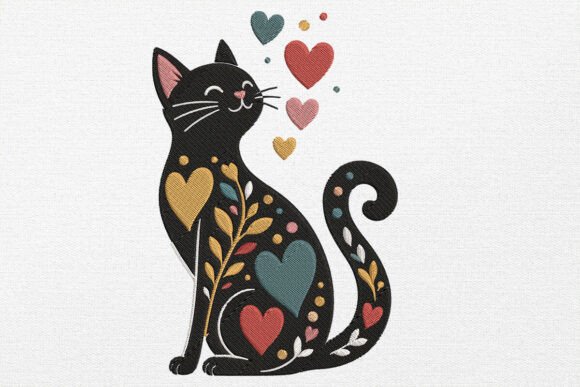
The first impression of the Cat Embroidery Design is distinctly modern yet organic. Based on its description featuring elegant wildflowers in a minimalist style, this design avoids the cartoonish or overly complex aesthetic that often plagues animal-themed merchandise. For a small business owner, this minimalism is a significant advantage. It suggests a premium, artisanal quality rather than a generic clip-art feel. The integration of botanical elements softens the feline silhouette, making it versatile enough for a florist, a bakery, or a handmade soap brand where the "cat" serves as a mascot rather than the sole product focus.
However, there is a discrepancy in the product metadata referencing "Love Hands Line Art." As a professional digitizer, I must advise verifying the actual embroidery file contents before purchase. If the design indeed combines feline motifs with hand gestures or line art, it adds a layer of human connection suitable for service-based businesses like grooming salons or veterinary clinics. Assuming the primary visual is the cat and wildflower motif, the clean lines indicate a design that will likely register well at various sizes, provided the stitch density is managed correctly for the intended substrate.
Performance in Commercial Applications
For small business merch, versatility is key. The Cat Embroidery Design shows strong potential across several high-value applications:
- Embroidered Patches: The minimalist nature of this design makes it an excellent candidate for patch production. Unlike dense, photo-realistic cat designs, a stylized floral-cat motif allows for cleaner merrowed edges and better legibility at smaller diameters (2-3 inches). This is ideal for staff uniforms or retail add-ons.
- Tote Bag Design: Canvas tote bags are a staple for Etsy sellers and markets. The open space in a minimalist design prevents the fabric from puckering, maintaining the structural integrity of the bag while providing a sophisticated branding element.
- Apron Embroidery: For cafes and bakeries, aprons endure frequent washing. The elegant wildflower accents can be positioned on the chest pocket area or lower hem without overwhelming the garment. The design’s likely lower stitch count compared to filled styles means faster run times and less thread consumption, improving profit margins on custom apparel.
- Cap Embroidery: Curved surfaces present challenges. If the Cat Embroidery Design maintains a horizontal orientation with the wildflowers framing the cat, it could work on unstructured dad hats. However, center-heavy designs often distort on caps; testing is mandatory here.
Technical Considerations and Production Risks
While the aesthetic is promising, technical execution determines whether a finished product looks professional or amateur. When using this Cat Embroidery Design for commercial projects, specific variables require attention.
Fabric Texture and Stabilizer Selection
Minimalist line art and delicate floral details demand precision. On textured fabrics like linen aprons or canvas totes, thin running stitches can get lost or sink into the weave. I recommend using a medium-weight cutaway stabilizer for knits and a tear-away for stable wovens. If the design includes fine line art, consider adding a water-soluble topping to prevent stitches from burying into the fabric texture. Without proper stabilization, the elegant wildflowers may appear jagged or misaligned after washing.
Stitch Density and Washability
For staff uniforms and work shirts, durability is non-negotiable. Review the stitch density of the Cat Embroidery Design. Minimalist designs sometimes rely on single runs of satin stitches for outlines. In a commercial laundry environment, these can snag or break. Ensure the digitizing includes adequate underlay and perhaps a double-run technique for critical outline elements. If the design is too sparse, it may not withstand industrial laundering; if too dense, it creates a bulletproof patch that wrinkles lightweight performance polos.
Sizing Limitations
Wildflower details are the first casualty of resizing. Before committing to small patch sizes or sleeve logos, test the design at your target dimensions. Floral petals thinner than 2mm may not stitch out cleanly. Always check the minimum recommended size in the digital embroidery file specifications. Resizing below the digitizer's intended parameters often results in thread breaks and poor registration.
Impact on Brand Identity and Customer Trust
In the handmade and small business sector, brand identity is communicated through tactile details. A poorly executed embroidery job signals carelessness, whereas a crisp, well-digitized Cat Embroidery Design reinforces professionalism. The elegant, minimalist style aligns with current market trends favoring sustainability and slow fashion. When customers see a refined, nature-inspired cat motif on packaging or apparel, it subconsciously communicates that the business values craftsmanship over mass production.
Furthermore, consistent use of this design across multiple touchpoints—staff caps, shopping bags, and thank-you card accents—builds visual recognition. Because this design balances representational imagery (the cat) with decorative abstraction (wildflowers), it ages better than trendy meme-based graphics. It becomes a timeless asset in your library of design assets, offering long-term ROI on your licensing or purchase cost.
Designer’s Pre-Production Checklist
Before running a full production batch of merchandise featuring the Cat Embroidery Design, adhere to this professional workflow:
- Verify Licensing: Confirm the commercial embroidery license terms. Some files allow personal hoop art but restrict selling finished goods or mass-producing patches. Never assume commercial rights are included.
- Create a Printable Mockup: Use software to overlay the design on photos of your actual merchandise. Share this printable mockup with clients or stakeholders for approval before stitching. This manages expectations regarding placement and scale.
- Test in Monochrome: Stitch the design in black thread on white fabric first. This reveals registration errors, gap issues, or density problems that multi-color versions might hide.
- Audit Thread Colors: Compare the charted thread colors against your brand palette. Elegant wildflowers should complement, not clash with, your logo. Adjust thread selections to match your specific brand guidelines rather than defaulting to the digitizer's suggestions.
- Confirm Hoop Size Compatibility: Ensure the design fits within your machine’s maximum embroidery area with adequate clearance. Using a hoop that is too tight can cause flagging and distortion.
- Wash Test: For any item marketed as durable workwear or reusable goods, wash and dry the test sample three times. Inspect the Cat Embroidery Design for shrinkage, color bleed, or stitch loss.
Final Verdict for Business Use
The Cat Embroidery Design presents a compelling option for businesses seeking a blend of whimsy and sophistication. Its minimalist wildflower aesthetic offers a refreshing alternative to standard pet shop graphics, making it suitable for lifestyle brands, cafes, and artisanal makers. However, success depends entirely on respecting the technical constraints of the embroidery file. By validating stitch integrity, selecting appropriate stabilizers, and confirming commercial usage rights, small business owners can transform this digital pattern into a powerful tool for brand building and customer engagement. Always treat this design as a starting point for your unique brand expression, testing rigorously to ensure the final stitched result meets the high standards your customers expect.