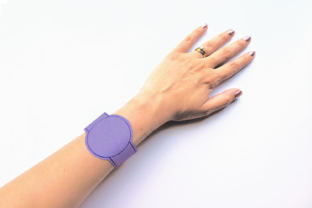
Blank Circle Bracelet: A Designer’s Applique Review
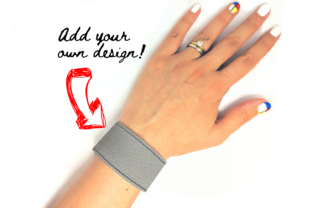
As an embroidery designer who has tested countless digital files for both personal enjoyment and commercial production, I approach every new machine embroidery design with a specific set of criteria. When evaluating the Blank Circle Bracelet, my primary focus was not just on how the file digitizes, but on its viability as a sellable accessory in a crowded handmade market. This applique design presents itself as a versatile foundation for jewelry making, specifically targeting makers who work with non-fraying substrates like felt or vinyl. After reviewing the construction and intended application, I see this as a high-potential asset for craft business owners looking to expand their inventory beyond traditional apparel.
First Impressions and Structural Integrity
The immediate appeal of the Blank Circle Bracelet lies in its geometric simplicity. In the world of Embroidery, circular motifs can be notoriously difficult to execute cleanly due to fabric distortion, but this design leverages the stability of felt or vinyl to mitigate those risks. The mood is distinctly modern and minimalist. It does not rely on excessive ornamentation; instead, it offers a clean canvas that invites customization. For a designer, this "blank" quality is actually a feature, not a lack of detail. It signals that the embroidery file has been digitized with structural integrity in mind, prioritizing smooth curves and secure edge finishes over unnecessary complexity that could compromise the wearability of the final piece.
From a technical standpoint, the reliance on non-fraying fabrics suggests the digitizer understood the mechanics of Accessories. Traditional woven fabrics require heavy edge stitching to prevent unraveling, which can add unwanted bulk to a bracelet. By specifying felt or vinyl, the design likely utilizes a cleaner satin stitch or narrow zigzag border that sits flat against the wrist. This attention to material compatibility is what separates a professional-grade digital embroidery file from a hobbyist experiment. The visual personality is adaptable, making it suitable for everything from boho festival gear to sleek, contemporary boutique items.
Real-World Application: The Custom Tote Bag Scenario
To truly understand the value of this design, I mentally placed it into a current project workflow: creating a curated collection of personalized gifts centered around a custom embroidered tote bag. Imagine a client requests a "maker’s kit" gift set. They want a sturdy canvas tote paired with a coordinating wrist accessory. This is where the Blank Circle Bracelet shines as a strategic product addition.
In this scenario, I would stitch the bracelet using a vinyl that matches the thread colors used in the tote bag’s main monogram. Because the bracelet is an in-the-hoop project, it becomes a high-margin add-on that requires minimal machine time compared to re-hooping the entire tote for a secondary design. The circle shape echoes the roundness of the tote’s grommets or logo placement, creating brand consistency across different product types. For an Etsy seller or small shop owner, this cross-merchandising capability is vital. The bracelet transforms from a standalone item into a cohesive part of a larger handmade product ecosystem. Customers perceive higher value when items coordinate, and the clean lines of this applique ensure it doesn't compete visually with the tote’s primary embroidery.
Navigating Fabric Choices and Stitch Performance
While the design is optimized for felt and vinyl, practical experience dictates that we must discuss performance nuances. If you are adapting this for other materials, proceed with caution. I have seen similar circular appliques fail on stretchy knits because the stitch density was insufficient to counteract the fabric's elasticity. If you attempt this on jersey or spandex, you must use a heavy cut-away stabilizer and potentially a fusible backing to prevent the circle from warping into an oval after unhooping.
For those sticking to the recommended vinyl, pay close attention to needle choice. A leather or sharp needle is often necessary to pierce vinyl cleanly without leaving permanent perforation marks if you need to reposition. When working with wool felt, verify that your satin stitch width is adequate to encapsulate the raw edge completely. Even though felt doesn't fray, a too-narrow stitch can pull through the fibers over time, especially on a wearable item subject to friction. Always run a test stitch-out on your exact scrap material before committing to a full production run. Check the tension; vinyl can sometimes cause thread looping on the bobbin side if the presser foot pressure isn't adjusted correctly.
Commercial Viability and Product Value
For creative entrepreneurs, the Blank Circle Bracelet represents a low-risk entry point into jewelry. Unlike metal or beadwork, the overhead is limited to thread, stabilizer, and base fabric. However, perceived value depends entirely on execution. A wobbly circle or puckered vinyl screams "amateur," while a crisp, perfectly round finish communicates professionalism. This design supports that premium presentation by providing a reliable outline.
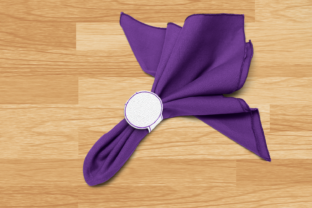
When listing this as a finished product, consider how it photographs. The simple geometry makes it ideal for flat lays and printable mockups. It also serves as an excellent vehicle for personalization. Adding a single initial or small icon in the center of the circle can transform a generic accessory into a meaningful personalized gift. For holiday embroidery seasons, these bracelets can be batch-produced in festive colorways and sold as stocking stuffers or party favors. The versatility extends to niche markets as well; think team spirit wear, corporate swag, or bachelorette party accessories. As long as the licensing terms of your specific file allow for commercial use of finished goods, the ROI potential is significant.
Critical Considerations for Makers and Sellers
Despite its strengths, there are limitations to respect. Small hoop sizes can restrict the diameter of the bracelet, so always confirm your machine’s maximum stitching area matches the design specifications before purchasing. Additionally, while vinyl is durable, it is heat-sensitive. Advise customers in your product care instructions to avoid leaving the bracelet in hot cars or exposing it to direct irons, as this could melt the substrate or distort the embroidery.
I also recommend testing the design in black and white mockups before listing. High contrast reveals whether the stitch definition holds up without relying solely on color variation. If the design disappears in grayscale, you may need to adjust thread colors for better visibility in photos. Furthermore, inspect the placement lines carefully. In-the-hoop designs rely on precise alignment stitches; if your machine’s camera or laser alignment is slightly off, the layers won't register correctly. Take the time to calibrate your equipment.
Final Designer Notes for Success
Before adding the Blank Circle Bracelet to your permanent library, adhere to this practical checklist:
- Verify Licensing: Confirm whether the designer permits selling finished physical products versus just personal use. Never assume commercial rights.
- Stabilizer Selection: Use tear-away for felt and adhesive or sticky-back stabilizer for vinyl to prevent hoop burn and slippage.
- Thread Contrast: Test variegated threads on a solid background first; busy thread on a busy fabric can obscure the circle shape.
- Size Validation: Measure the actual stitched output against a real wrist. Digital dimensions can sometimes differ from physical results due to pull compensation.
- Wash Testing: If using felt, wash test a sample. Some felts bleed dye or shrink, which would ruin the embroidery investment.
The Blank Circle Bracelet is more than just a simple shape; it is a functional building block for a sustainable embroidery business. Whether you are embellishing a sweatshirt, creating a unique patch, or launching a dedicated accessory line, this design offers the structural reliability and aesthetic flexibility required for professional results. Treat it with the same respect you would give a complex portrait or dense fill stitch design, and it will serve as a dependable staple in your creative repertoire.