Abstract Decorative Seamless Pattern Review
As an embroidery designer who regularly consults with small businesses on merchandise production, I approach every new machine embroidery design with a critical eye toward commercial viability. When evaluating the Abstract Decorative Seamless Pattern for business use, my primary focus is not just aesthetic appeal, but functional performance across various branded goods. This review analyzes how this specific embroidery file translates from a digital concept to a tangible asset for cafes, boutiques, florists, and creative studios looking to elevate their brand identity.
First Impressions: Visual Personality and Professionalism
Upon reviewing the Abstract Decorative Seamless Pattern, the immediate impression is one of versatile elegance. While categorized under Paisley, the abstract nature of the seamless repeat allows it to transcend traditional ornamental boundaries. For a small business owner, this is significant. The design strikes a balance between handmade warmth and professional polish. It does not feel overly rustic or amateur; rather, it possesses a refined complexity that suggests high-value custom apparel or premium packaging.
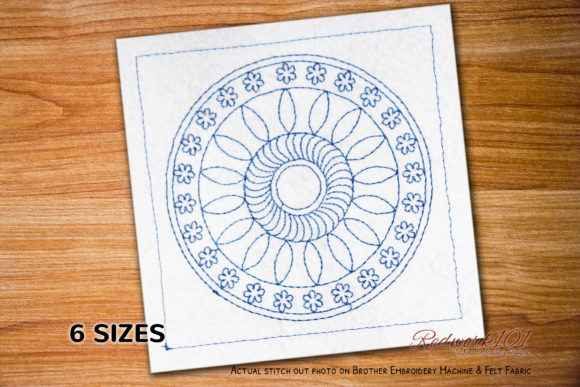
The description notes that the Box Stitch shown in promotional images is optional and that the outer box color often differs unless integral to the design. From a production standpoint, this modularity is excellent. It allows merch creators to strip away non-essential elements to reduce stitch density or adapt the motif for different applications. A bakery might use the full pattern for an apron front, while a jewelry maker might isolate a single segment for a delicate tag. This flexibility is crucial for maintaining visual consistency across diverse product lines without appearing repetitive.
Commercial Applications for Small Business Merch
For local businesses and Etsy sellers, this pattern serves multiple strategic functions beyond simple decoration. In my experience testing similar abstract motifs, the Abstract Decorative Seamless Pattern performs exceptionally well in the following scenarios:
- Staff Uniforms and Aprons: The seamless nature makes it ideal for apron embroidery, where the design can be placed as a subtle watermark on the bib or hem without worrying about awkward cutoffs. It adds texture and perceived value to staff attire.
- Retail Packaging and Tags: Because the pattern is decorative yet structured, it works beautifully as a background element on fabric tags or reusable packaging wraps, reinforcing the handmade product aesthetic.
- Tote Bag Design: Large canvas totes provide ample space for the seamless repeat to shine. Here, the pattern acts as a primary branding element rather than just an accent, turning a functional item into a walking billboard.
- Boutique Merchandise: For florists or gift shops, this design offers a sophisticated alternative to standard logos. It creates an emotional connection through texture and artistry, which drives buyer engagement.
When used correctly, this digital embroidery file signals to customers that the business pays attention to detail. In a crowded market, such nuances build trust and justify premium pricing.
Technical Considerations and Production Limitations
While the Abstract Decorative Seamless Pattern is visually strong, technical execution determines its success in commercial embroidery. As a reviewer, I must highlight areas where caution is required to avoid production failures or poor-quality finished goods.
Navigating Stitch Density and Fabric Texture
Abstract patterns often rely on fill stitches to create depth. Before running a full production batch, you must assess the stitch density relative to your chosen substrate. If applying this to a lightweight linen tea towel or a performance polo, high-density areas may cause puckering or fabric distortion. Always pair this design with the appropriate stabilizer. For textured fabrics like terry cloth or fleece, consider using a water-soluble topping to prevent the intricate details of the pattern from getting lost in the pile.
Sizing Constraints for Patches and Caps
The product description wisely mentions that the outer box is optional. This is vital for embroidered patch production. If you intend to use this as a chest logo or sleeve badge, removing the outer boundary reduces the overall footprint and stitch count. However, be wary of scaling down too aggressively. Intricate abstract lines can merge when resized below 2 inches, resulting in a muddy appearance. Similarly, for cap embroidery, the curved surface presents challenges. Test the design on a cap frame first; the seamless flow may distort on the crown's curve, requiring digitizing adjustments to maintain the intended geometry.
Color Management and Thread Selection
Since the outer box color varies in most designs, treat thread selection as a branding decision rather than a default setting. Do not assume the digitizer’s color chart matches your brand palette. I recommend testing the Abstract Decorative Seamless Pattern in grayscale first. This reveals whether the design relies on color contrast or structural stitching for definition. If the pattern disappears in black and white, it may lack sufficient tonal variation for monochromatic uniforms. Always verify thread colors against physical swatches, as screen rendering rarely matches actual rayon or polyester sheen.
Strategic Branding and Customer Perception
Integrating the Abstract Decorative Seamless Pattern into your merchandise strategy affects more than just aesthetics; it influences customer perception. In the handmade and small business sector, generic clip art diminishes value. A cohesive, custom-applied pattern suggests intentionality. When a customer receives a purchase wrapped in tissue stamped with this motif, or buys a tote featuring this unique texture, they perceive the brand as established and thoughtful.
Furthermore, this design supports scalability. As your business grows from a home studio to a retail storefront, having a proprietary pattern system allows for easier expansion of design assets. You can license or commission variations of this seamless theme for seasonal collections, ensuring long-term recognition. Just ensure you confirm commercial licensing terms before using the file for mass-produced items intended for resale.
Essential Pre-Production Checklist for Designers
To ensure the Abstract Decorative Seamless Pattern meets professional standards, follow this verification protocol before committing to bulk production:
- Create a Printable Mockup: Visualize placement on the actual garment template. Digital screens are deceptive; a printed mockup helps clients approve scale and positioning accurately.
- Verify Hoop Size Compatibility: Confirm the design dimensions fit your machine’s maximum embroidery area without excessive re-hooping. Seamless patterns can sometimes exceed standard hoop limits unexpectedly.
- Test on Real Fabric: Never skip the sew-out. Use the exact material intended for the final product. Check for registration issues, especially where the optional box stitch meets the main pattern.
- Inspect Spacing and Pull Compensation: Abstract fills can shift. Ensure there is adequate spacing between dense elements to prevent needle breaks or fabric tears during high-speed production.
- Compare Beside Other Assets: Place the embroidered sample next to your existing labels, hangtags, and print materials. Does the Abstract Decorative Seamless Pattern harmonize with your current visual language, or does it clash?
- Confirm File Integrity: Since the box stitch is optional, ensure you have received all necessary file versions or understand how to safely remove elements in your editing software without corrupting the underlying stitches.
By treating the Abstract Decorative Seamless Pattern as a functional business tool rather than mere decoration, small business owners can leverage its versatility to create distinctive, high-quality merchandise. Whether used as a bold statement on a tote bag or a subtle accent on a uniform collar, this design holds significant potential for enhancing brand value when executed with technical precision and strategic intent. Always prioritize testing and fabric compatibility to ensure the finished product reflects the professionalism your business deserves.